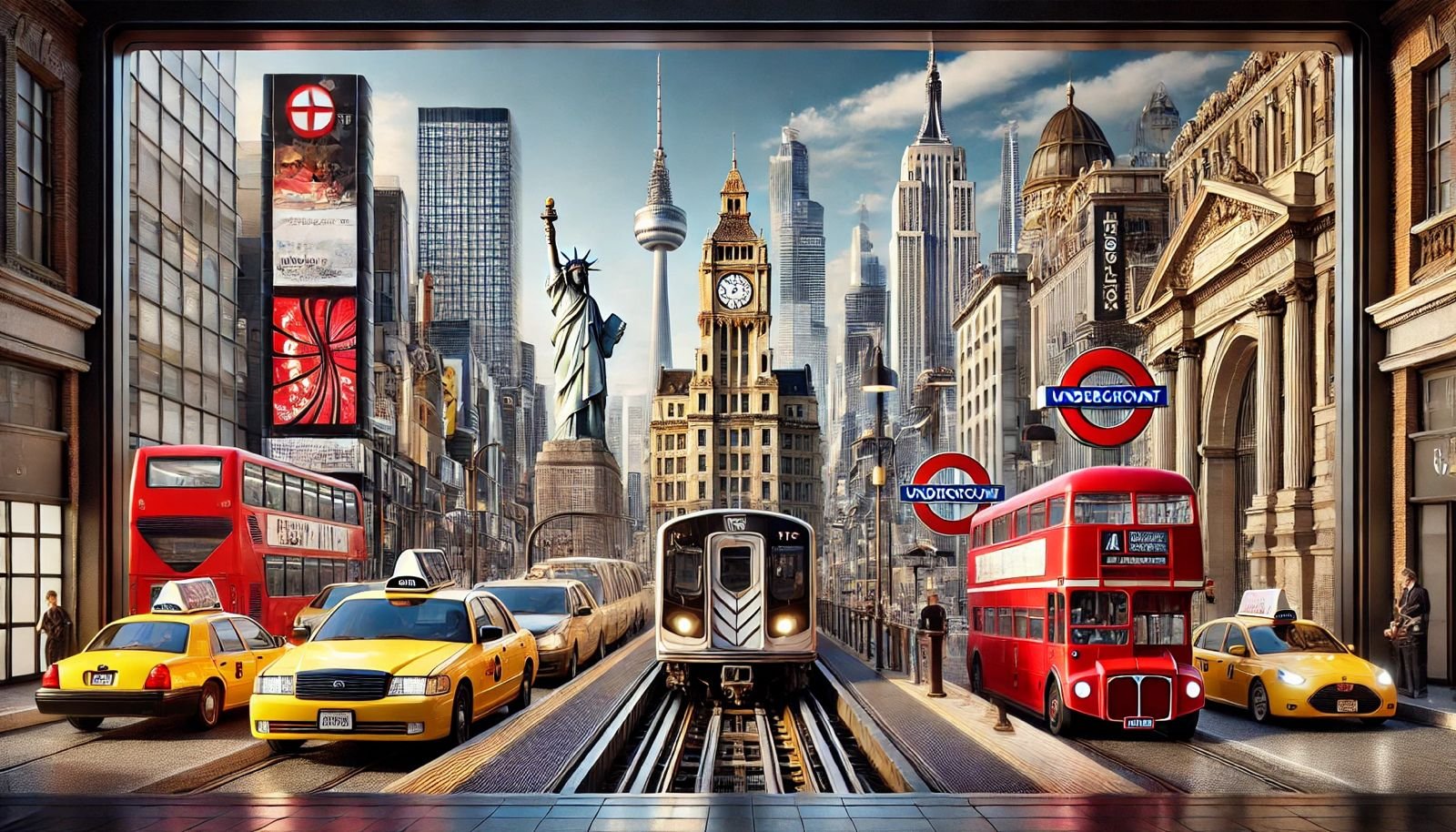
What world cities have transit as good as New York City?
New York City boasts one of the most extensive public transportation systems globally, with the Metropolitan Transportation Authority (MTA) facilitating nearly 9 million rides each weekday. However, as urban populations grow, many cities are modernizing their transit services. This blog explores whether other global cities can match or surpass New York’s transit efficiency and user experience.
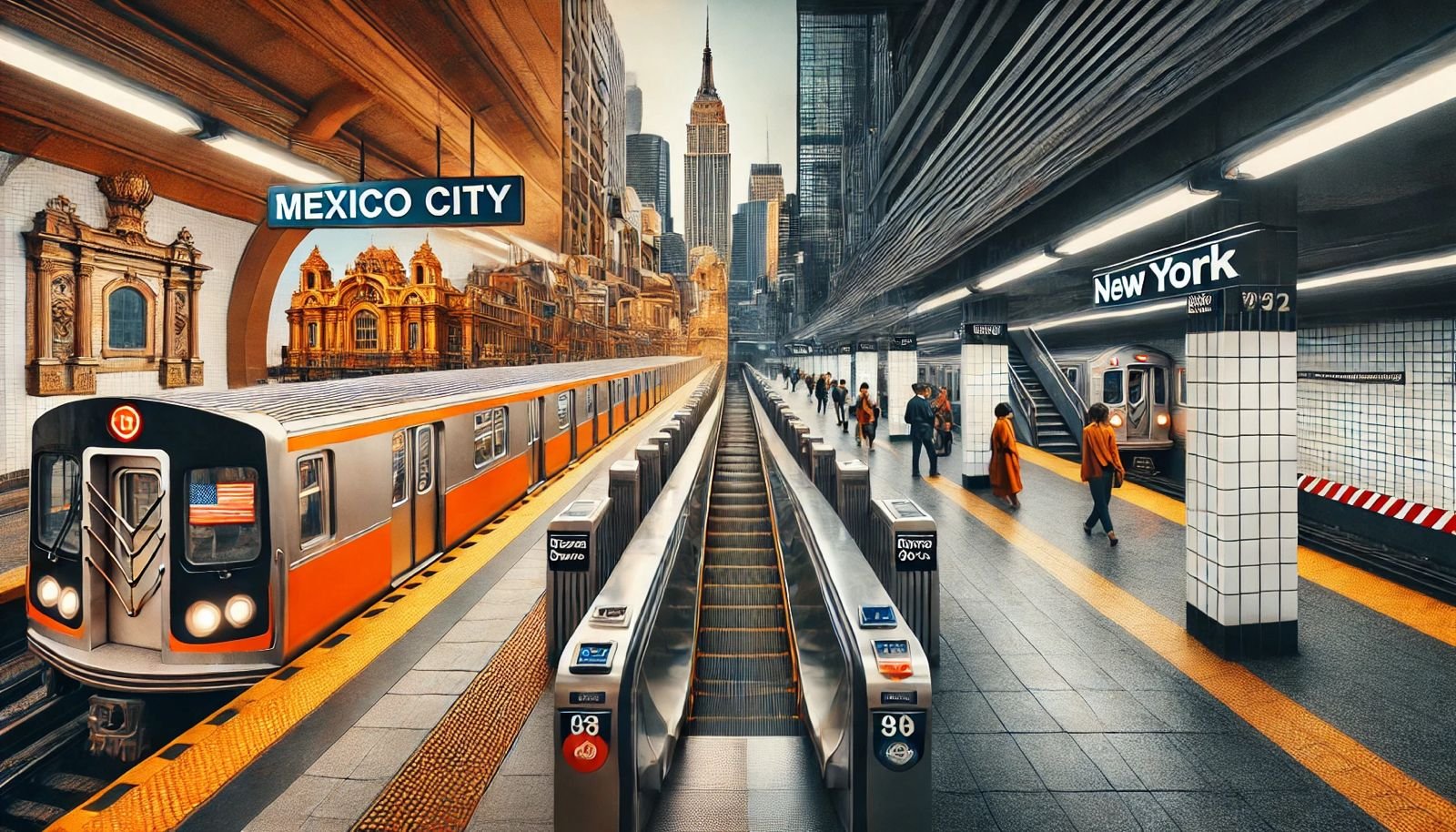
Is the Mexico City’s Subway system better than New York subway system?
Explore the dynamic comparison between Mexico City's Metro and New York's Subway in our latest blog. We delve into essential factors such as cleanliness, efficiency, affordability, and user experience. Discover how each system reflects its city's culture and lifestyle while catering to different commuter needs. Which subway system reigns supreme? Join us as we find out!
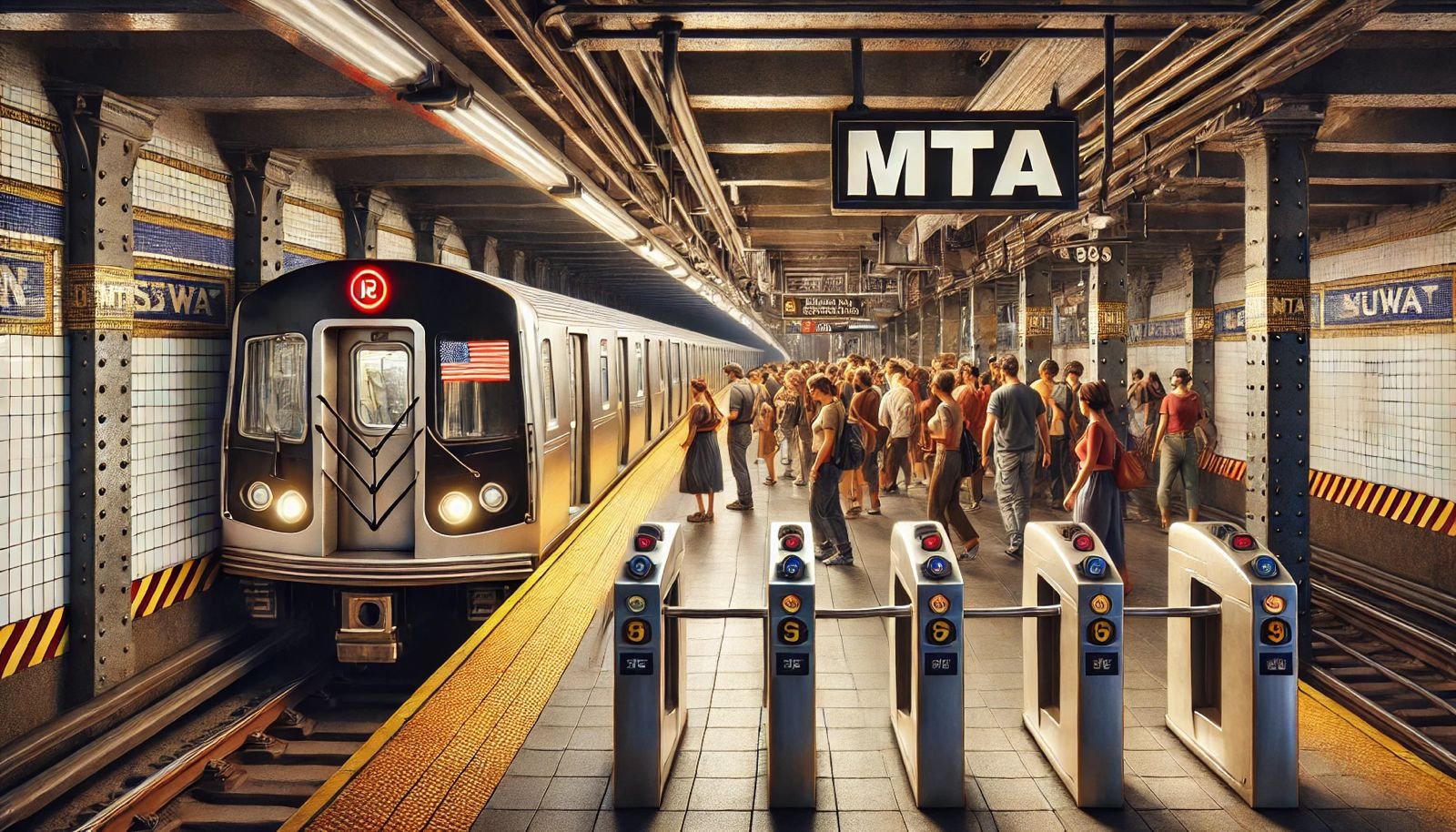
How do I ride the NYC subway?
Navigating the NYC subway can be overwhelming for newcomers, but with the right information, you can easily master it. This comprehensive guide covers everything from purchasing a MetroCard to understanding train schedules and etiquette. Whether you're commuting or exploring iconic sites, you'll feel confident riding the subway like a local. Plus, tips on maintaining a tidy home with services like Sparkly Maid NYC make your NYC experience even better!
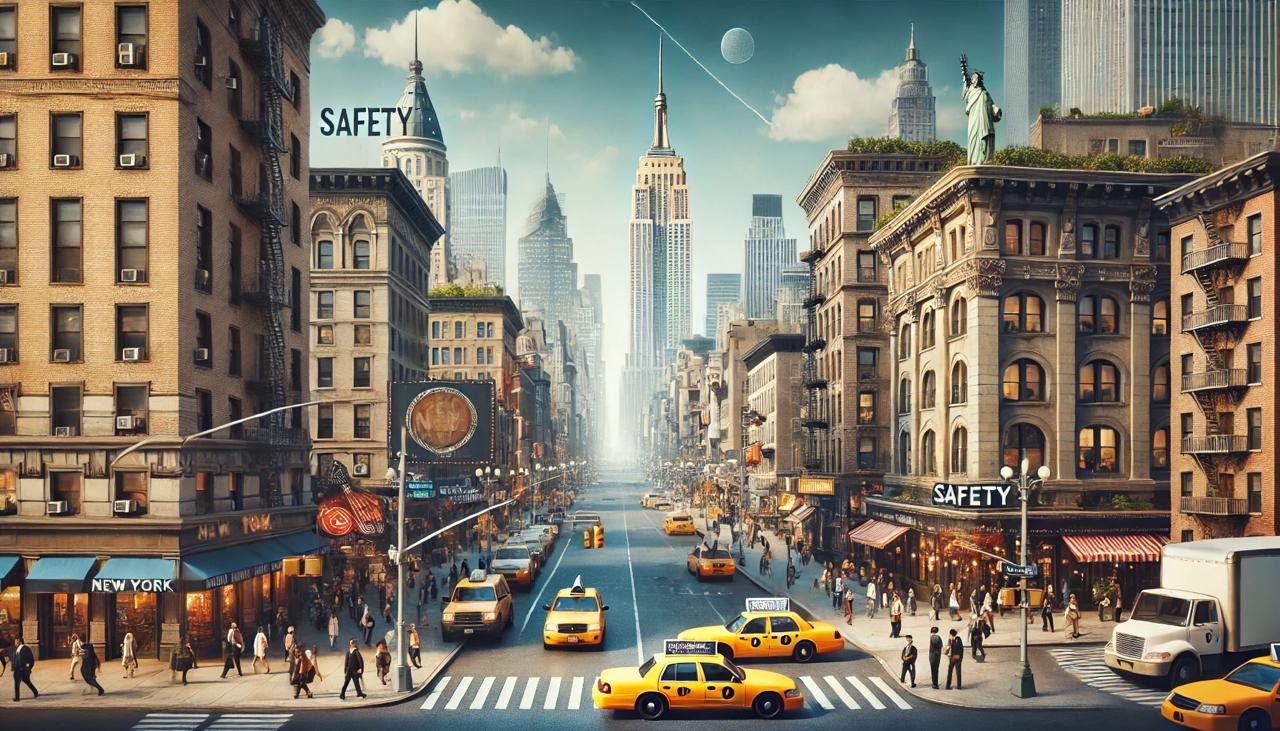
Is it safe to travel to NYC?
Traveling to New York City can be exciting, but safety remains a common concern for visitors. Understanding the current safety landscape is essential for a worry-free experience. This guide explores various aspects of safety in NYC, highlighting crime statistics, tourist areas, and family travel considerations to help you navigate your trip confidently and enjoy all the city has to offer.

What is the easiest way to travel in New York City?
Traveling around New York City can be exhilarating yet complex, given its vast transportation options. This guide highlights the best ways to navigate the city, including subways, buses, ferries, and taxis. Understanding these methods will help you maximize your time in this vibrant metropolis while ensuring a smooth experience during your stay.

What do I need to know before traveling to NYC?
Traveling to New York City is an exhilarating adventure filled with iconic sights and diverse neighborhoods. To make the most of your visit, it's essential to plan ahead. From understanding the layout of the city and utilizing public transportation to exploring its rich culture and attractions, these tips will help you navigate the Big Apple with ease. Embrace the city's energy and discover unique experiences beyond the tourist traps.
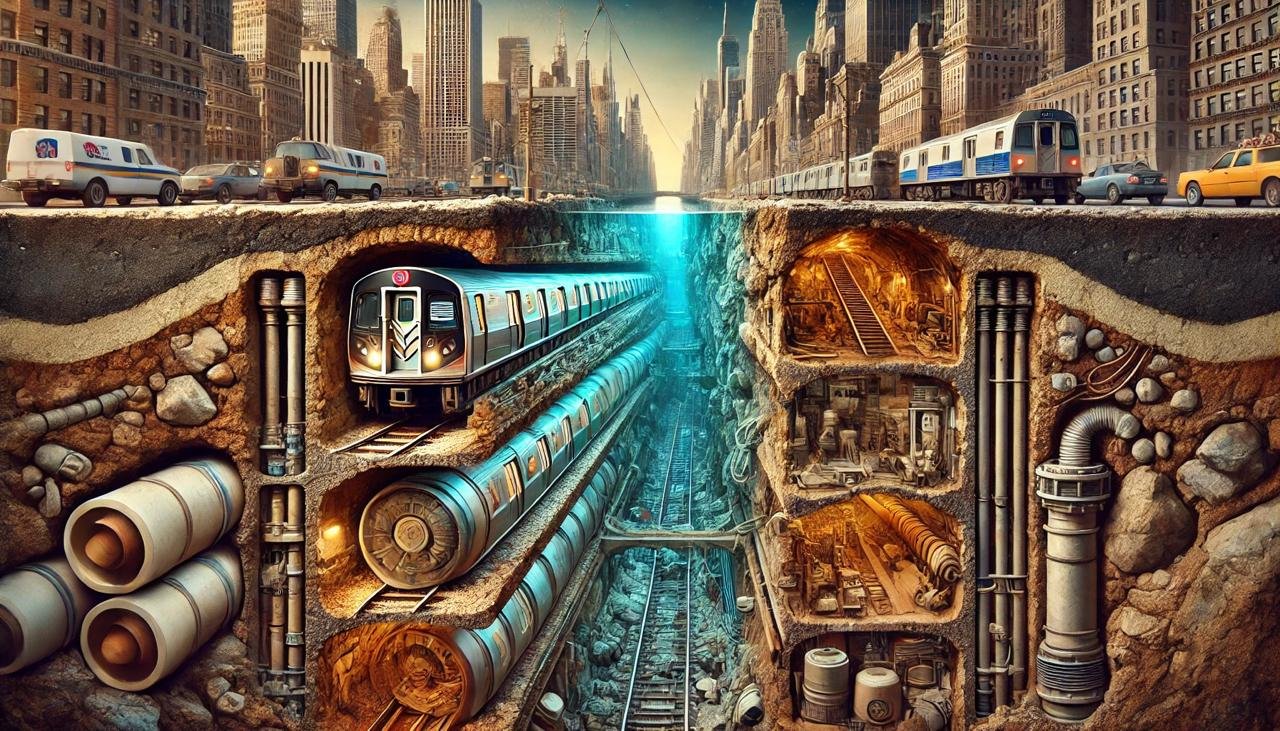
What is beneath New York City?
New York City is a vibrant metropolis with a hidden world beneath its bustling streets. This subterranean realm includes an intricate network of subways, utility lines, and historical remnants that shape urban life. As we explore these depths, we uncover the significance of this infrastructure and its impact on our daily experiences above ground, revealing the city's complex relationship with what lies beneath.

Who is the owner of maid pro?
MaidPro, founded by Mark Kushinsky in 1991, has revolutionized the cleaning industry with its customer-centric approach and commitment to quality. Starting from a single location in Boston, the franchise has expanded to over 290 locations across North America. With a focus on personalized service and a rigorous 49-Point Checklist, MaidPro ensures every home receives meticulous care.
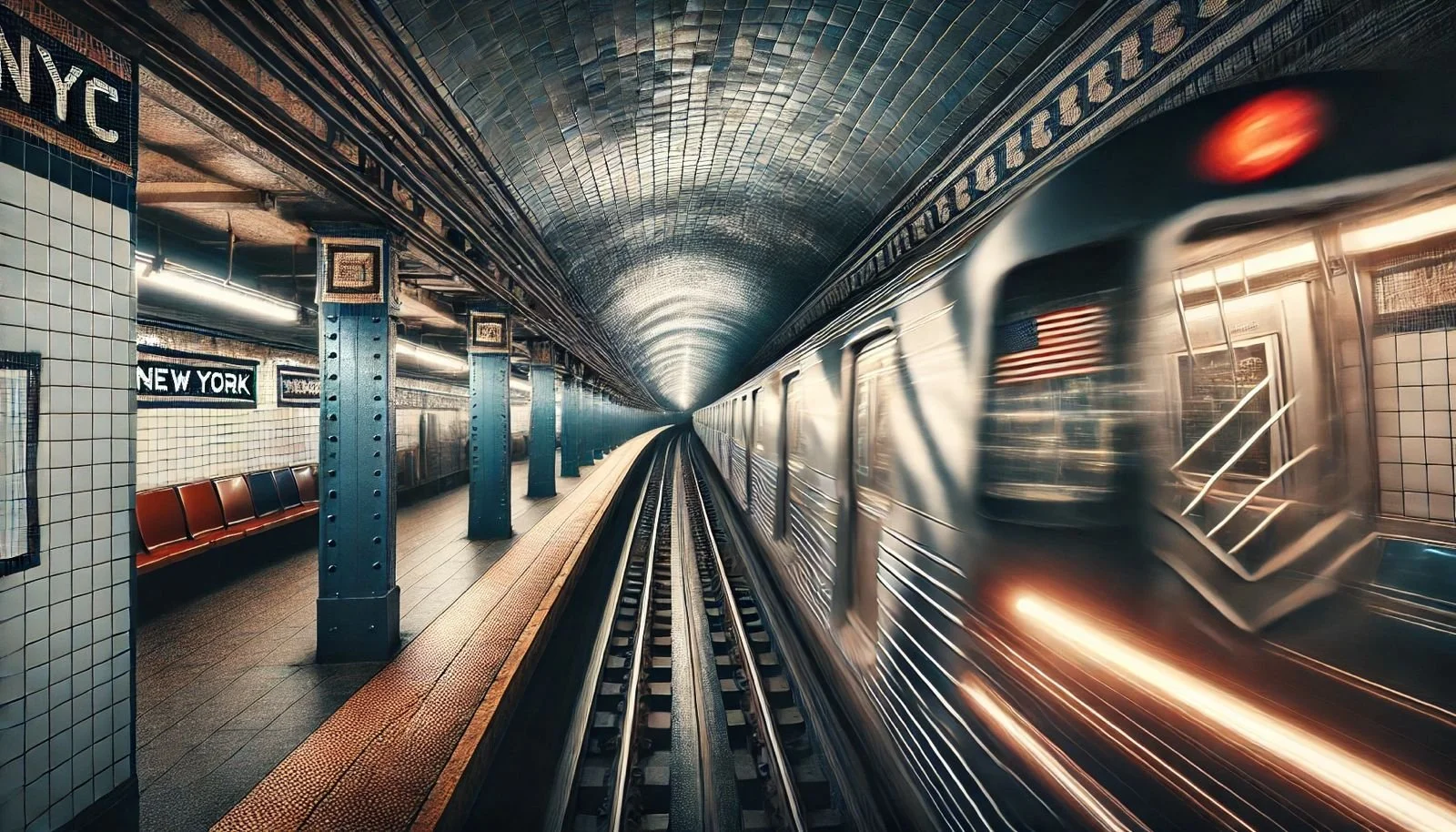
How fast does the NYC subway go?
The NYC subway system is essential for millions of daily commuters, yet many wonder about its speed. On average, subway trains travel at about 17 miles per hour, with maximum speeds reaching 50 MPH on certain stretches. Factors like station spacing and signal systems significantly impact overall travel times, making it crucial for riders to understand these dynamics for a smoother commuting experience.
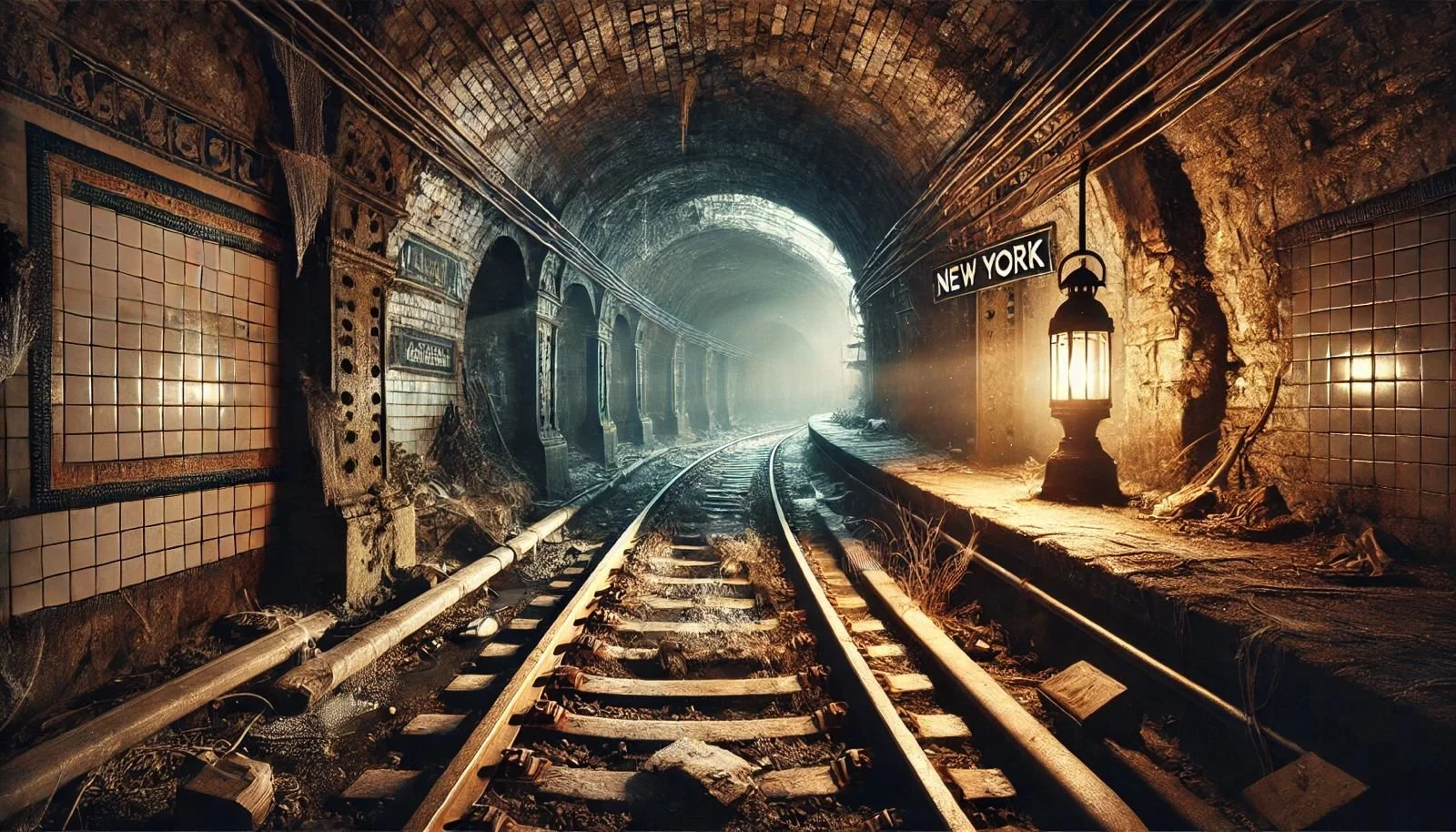
Are there abandoned subway tunnels in New York?
New York City is not only a vibrant hub of activity above ground but also a treasure trove of history beneath its bustling streets. The abandoned subway tunnels and stations, such as the iconic City Hall Station and the mysterious Cobble Hill Tunnel, offer glimpses into the city’s past. These forgotten spaces are rich with stories of urban development and intrigue, waiting to be explored by adventurous souls.
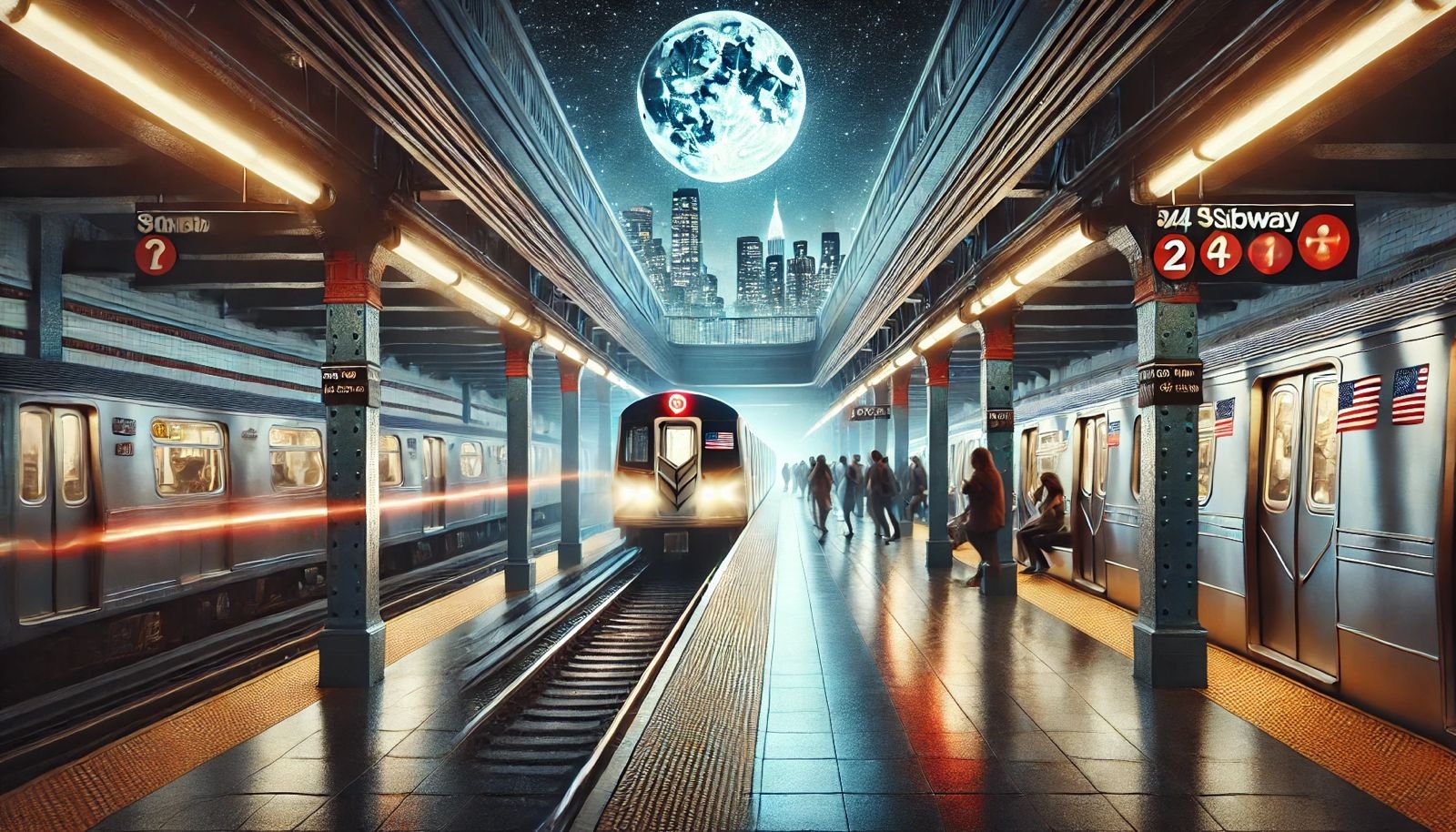
Do NYC subways run 24/7?
The New York City subway system is famous for its 24/7 operation, allowing residents and visitors to navigate the city at any hour. This continuous service is crucial for accommodating various schedules, from night workers to late-night travelers. In this blog, we will delve into how the subway operates around the clock and offer tips for effective navigation of this extensive network.
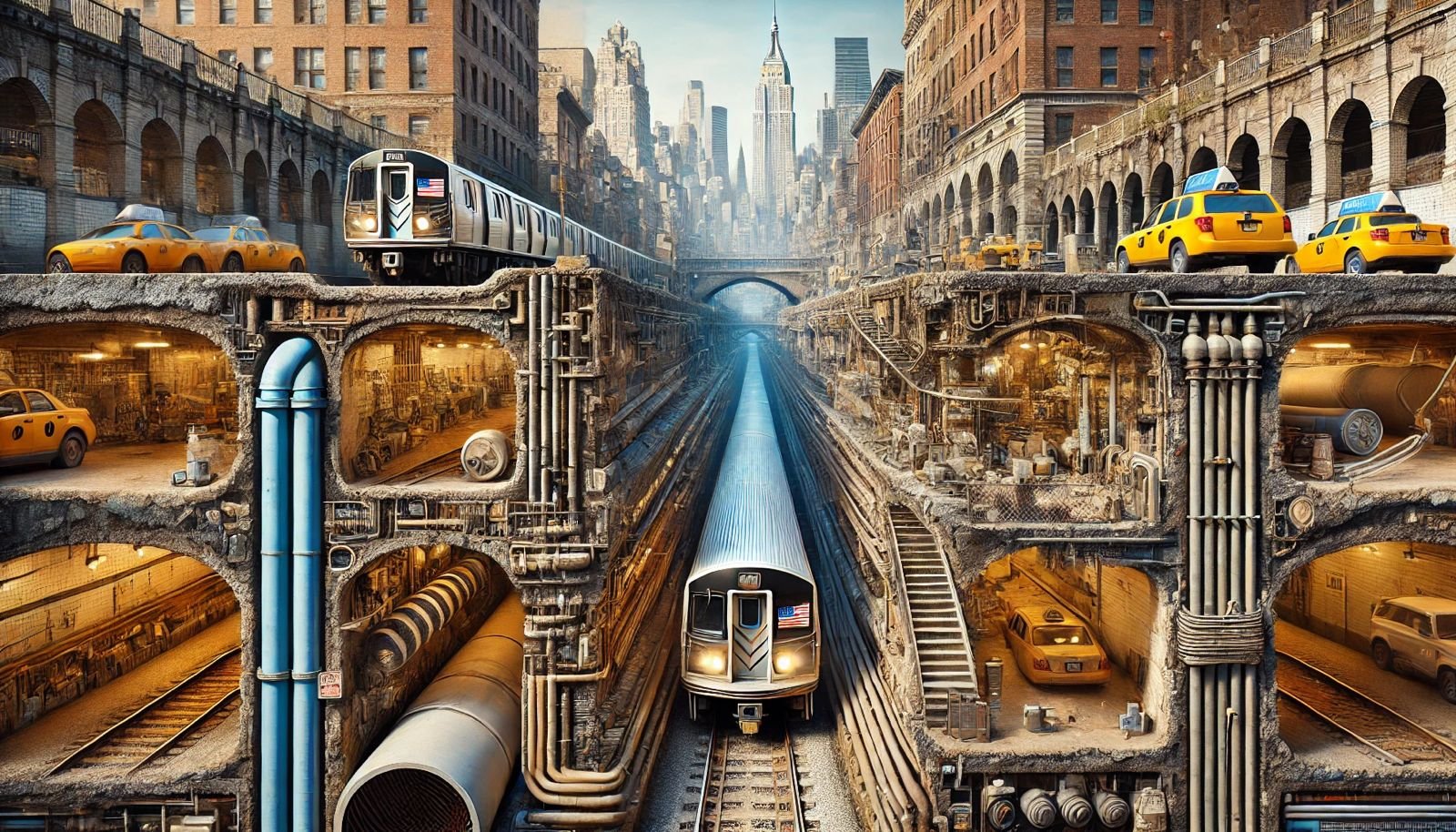
Why does New York have so many underground tunnels?
New York City is famous for its bustling streets and iconic skyline, but beneath the surface lies a complex network of underground tunnels serving various purposes. From the subway system to utility passages, these tunnels have been constructed over centuries to meet the city's unique needs. This blog explores the historical significance and contemporary relevance of New York's extensive underground infrastructure.
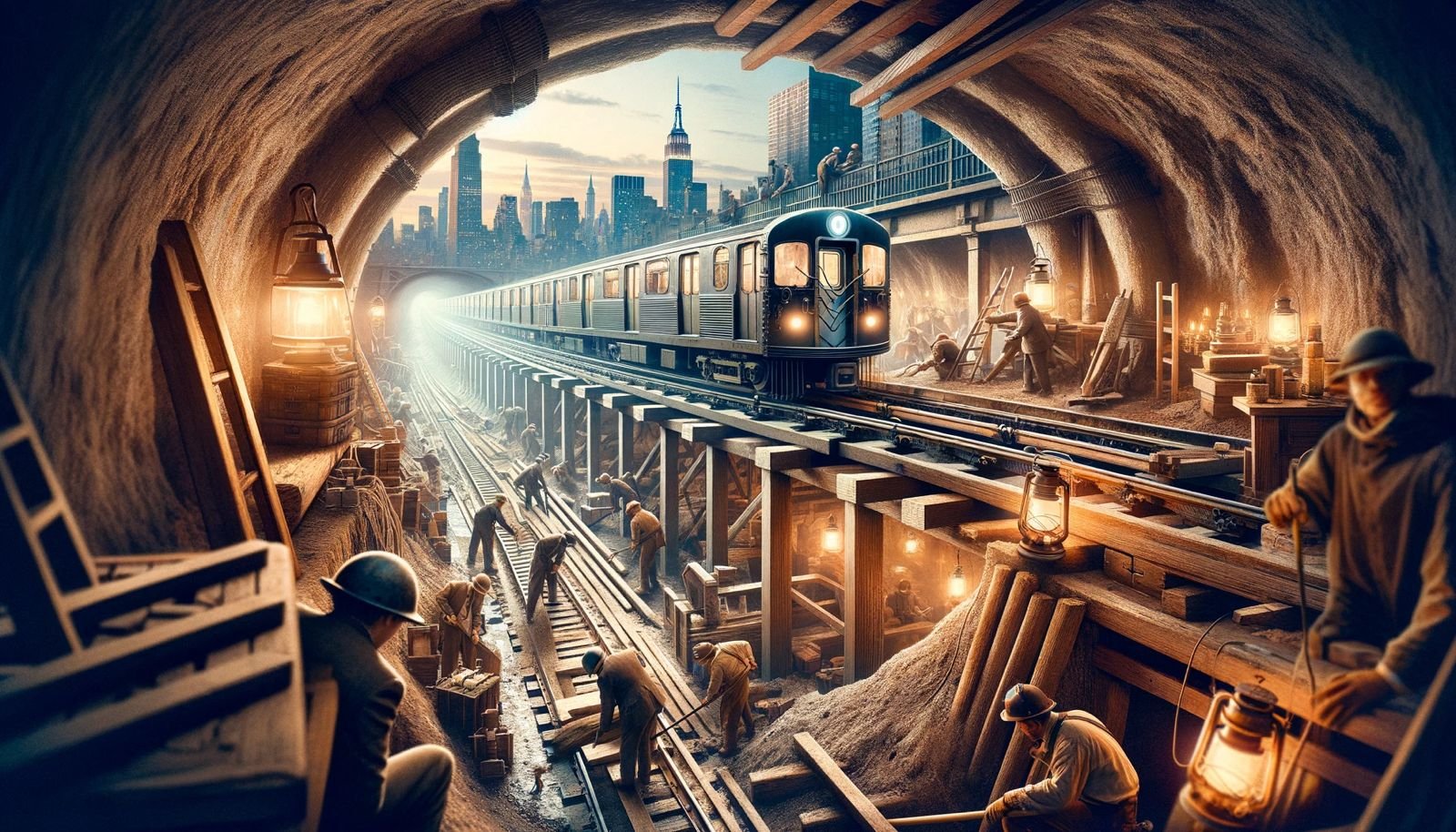
What is the documentary on how the NYC subway was built?
The construction of the New York City subway system is a monumental story of engineering and determination, beautifully captured in the documentary "New York Underground." This PBS film explores the challenges faced during the subway's construction in the early 1900s, highlighting the efforts of key figures like chief engineer William Barclay Parsons and the thousands of workers who made this essential transit system a reality.
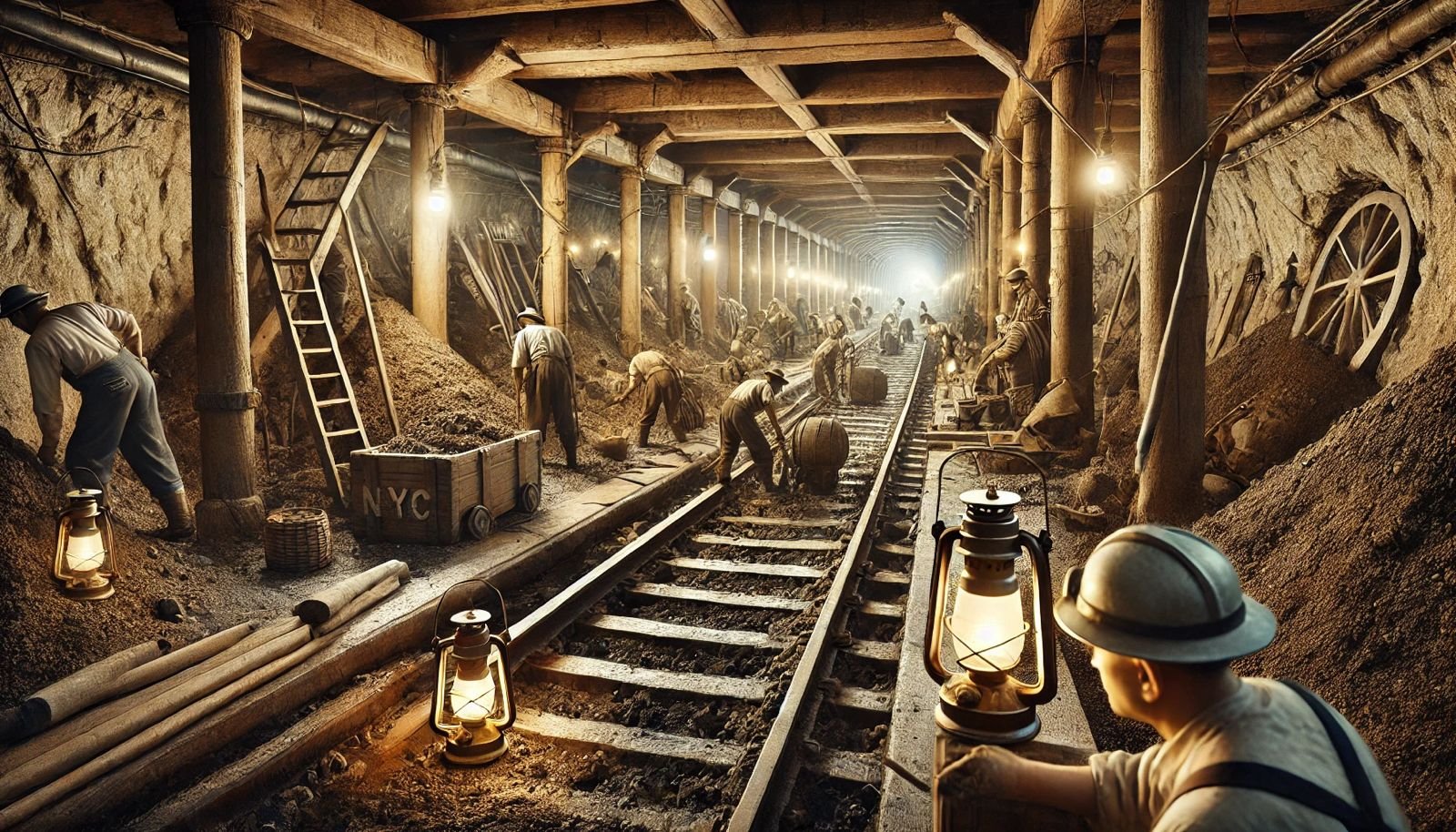
How were the NYC subway tunnels dug?
The construction of the New York City subway system is a captivating story of engineering prowess and urban evolution. This blog delves into the various methods used to dig the subway tunnels, including the cut-and-cover technique and modern tunneling machines. Discover the challenges faced by workers and how innovative techniques transformed urban transit in one of the world's busiest cities.
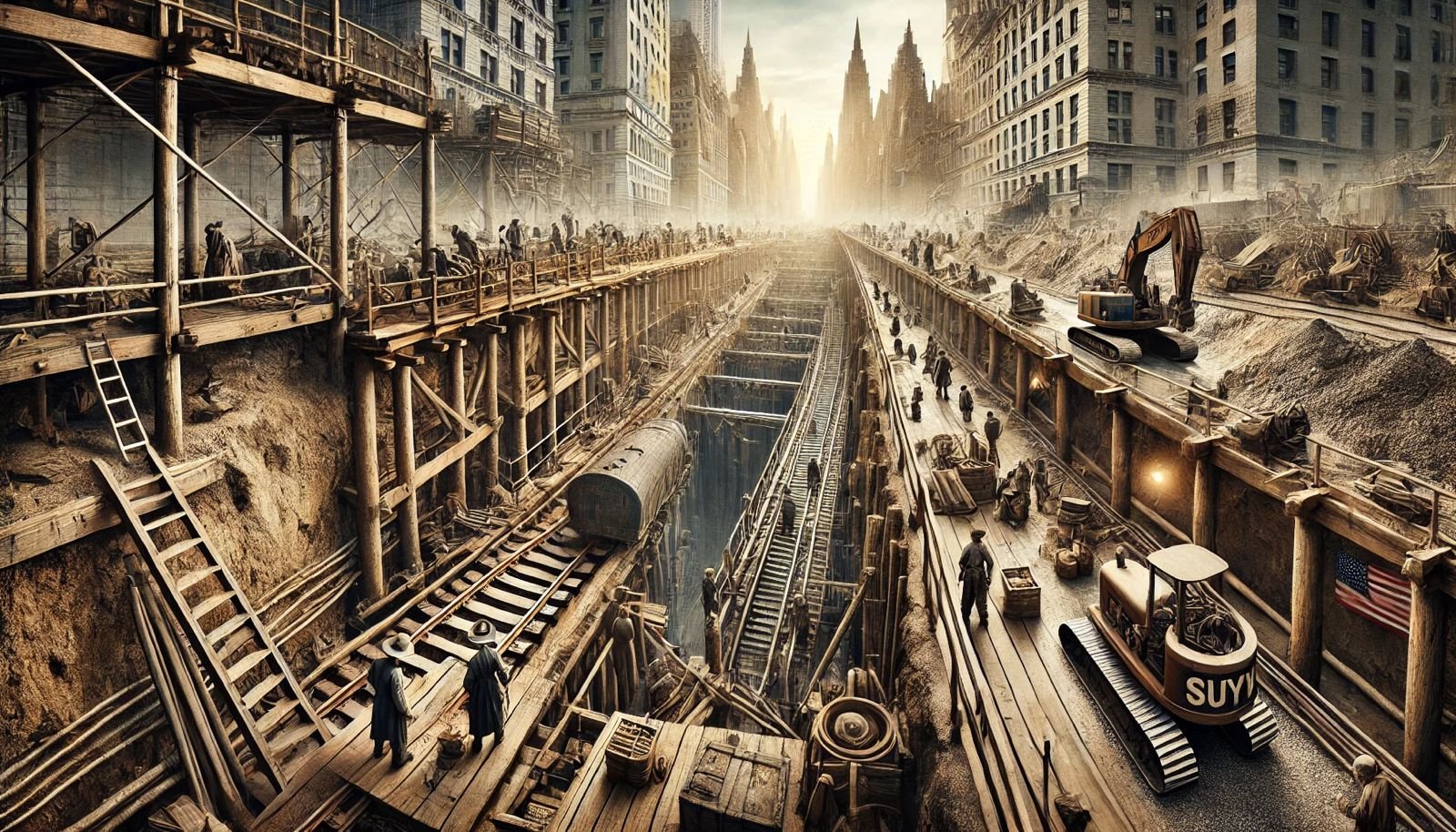
How long did it take to build the NYC subway?
The construction of the New York City Subway is a fascinating tale of engineering brilliance, spanning four years from 1900 to 1904. This monumental project aimed to ease the severe congestion on city streets caused by rapid population growth. The subway's first line, stretching 9.1 miles from City Hall to Harlem, opened on October 27, 1904, revolutionizing urban transit and shaping the city's future.
How far underground is the NYC subway?
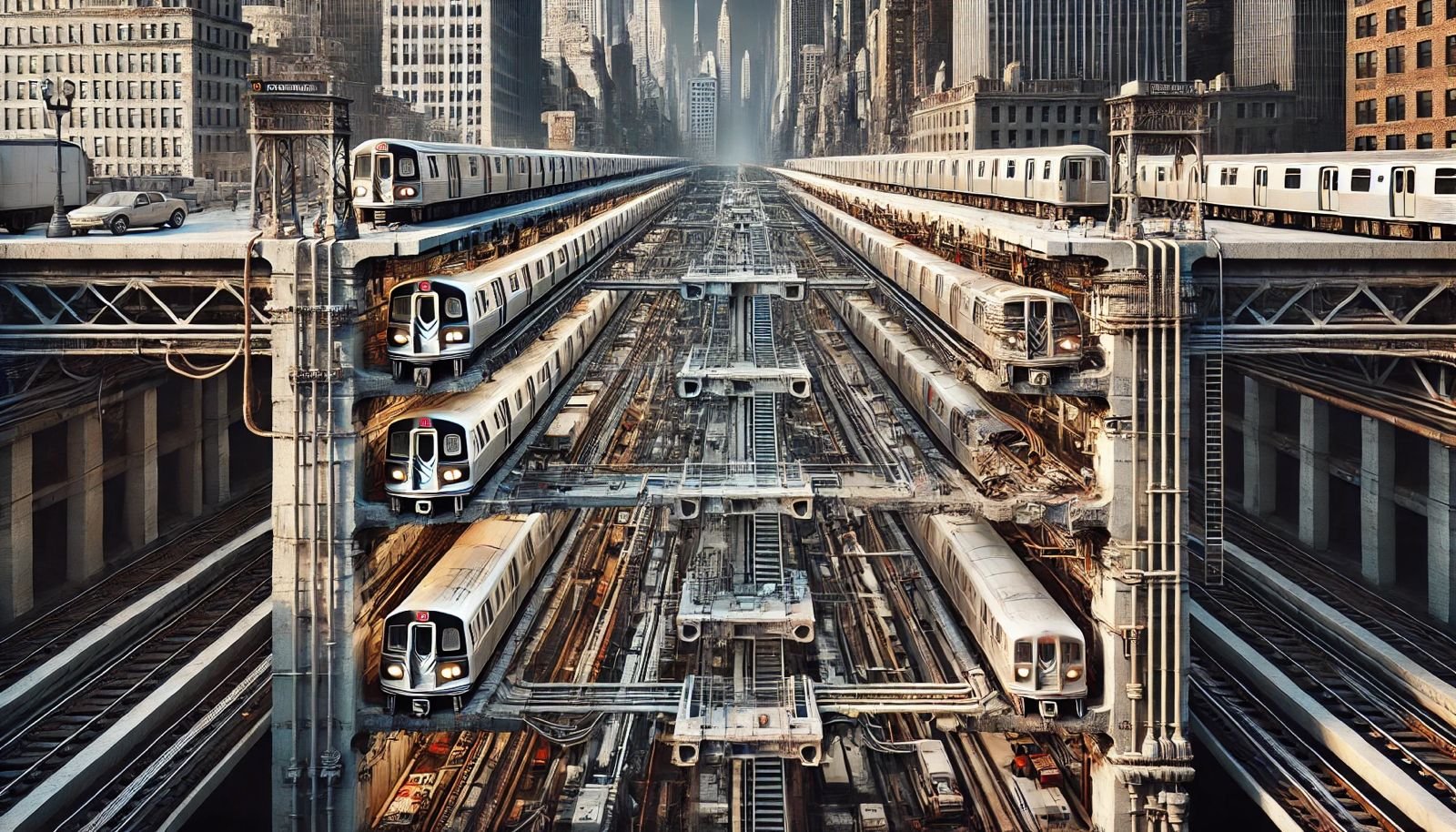
New York City's subway system is a remarkable feat of engineering, with depths varying from 50 to over 180 feet below street level. This extensive network not only showcases the city's infrastructure complexity but also highlights the ongoing challenges of maintenance and cleanliness. Services like Sparkly Maid NYC play a vital role in ensuring these underground spaces remain welcoming for millions of daily commuters.
Who dug the subway tunnels in NYC?
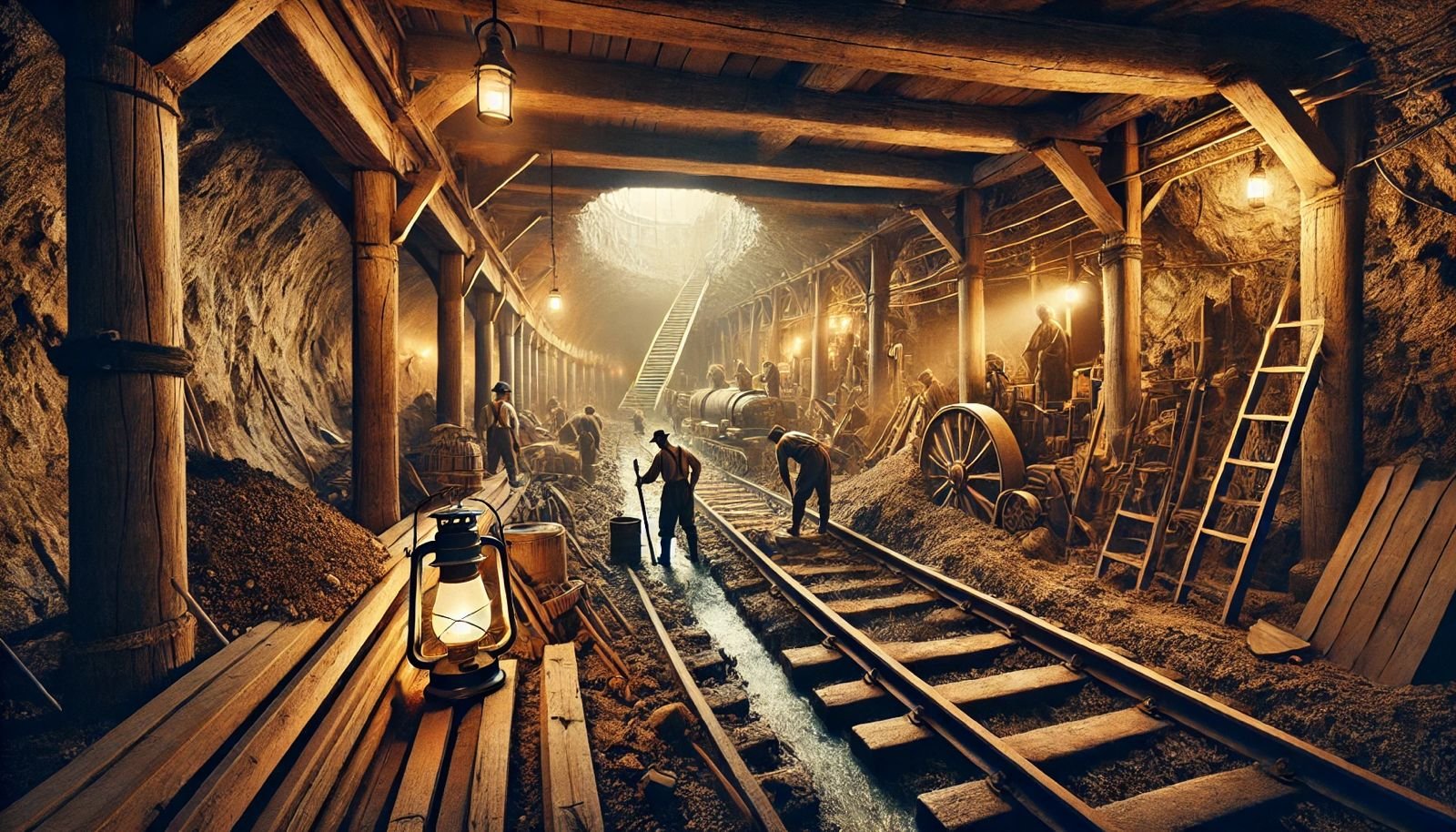
The construction of the New York City subway is a remarkable story of engineering and labor that transformed urban transportation. Beginning in the early 1900s, this monumental project was driven by the need to alleviate traffic congestion and connect neighborhoods. With around 7,700 workers, many of whom were immigrants, the subway's tunnels were dug using innovative techniques like cut-and-cover. This blog delves into the key figures, challenges, and lasting impact of this iconic transit system.
Who pays for the NYC subway?
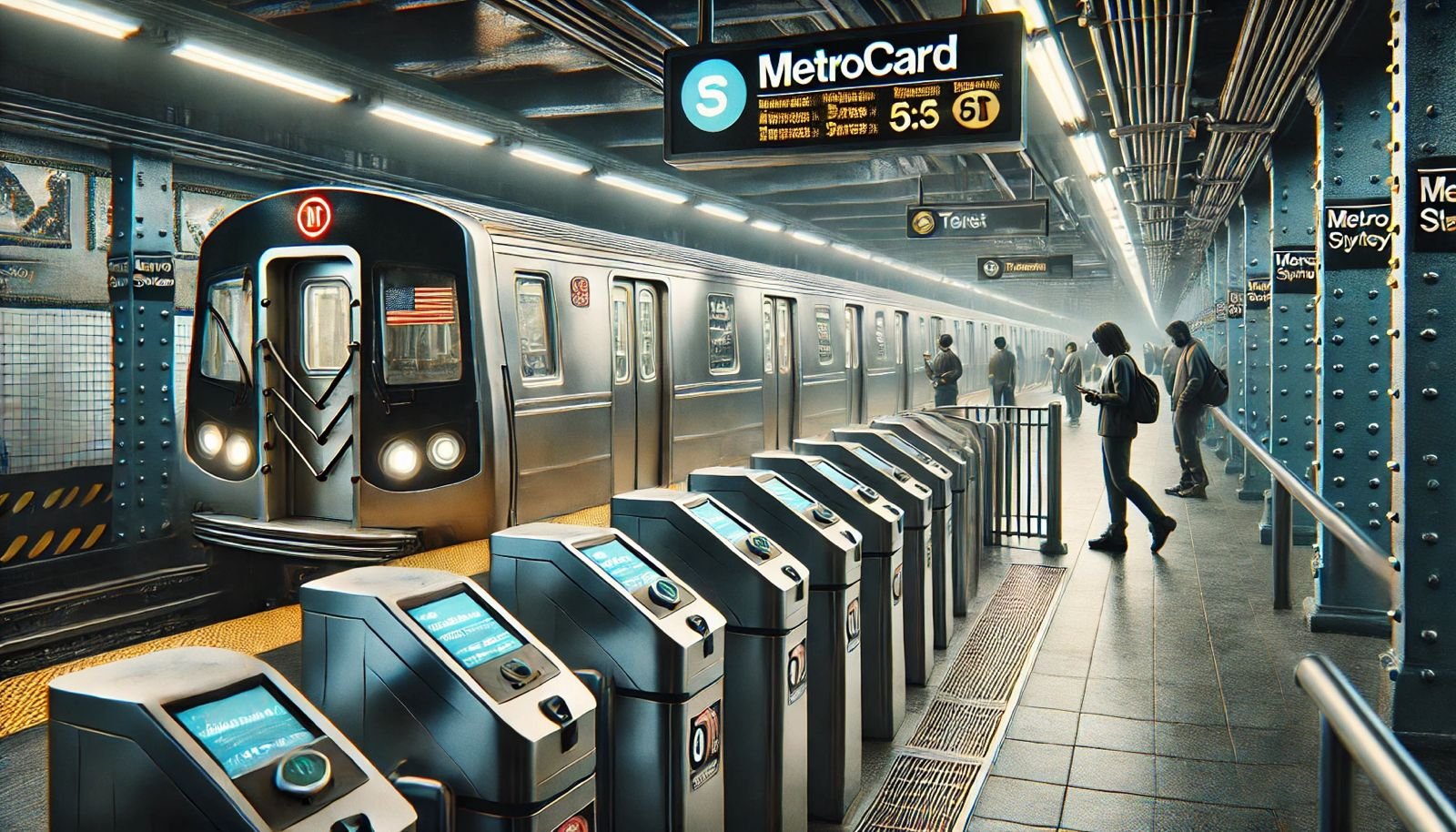
The funding of the New York City subway system is a complex interplay of taxpayer contributions, government subsidies, and fare revenues. Primarily overseen by the Metropolitan Transportation Authority (MTA), the subway relies on fare collections for a significant portion of its budget, but taxpayer support remains crucial. This blog explores the various sources of funding that keep this vital transit system operational.
Who built the NYC subway tunnel?
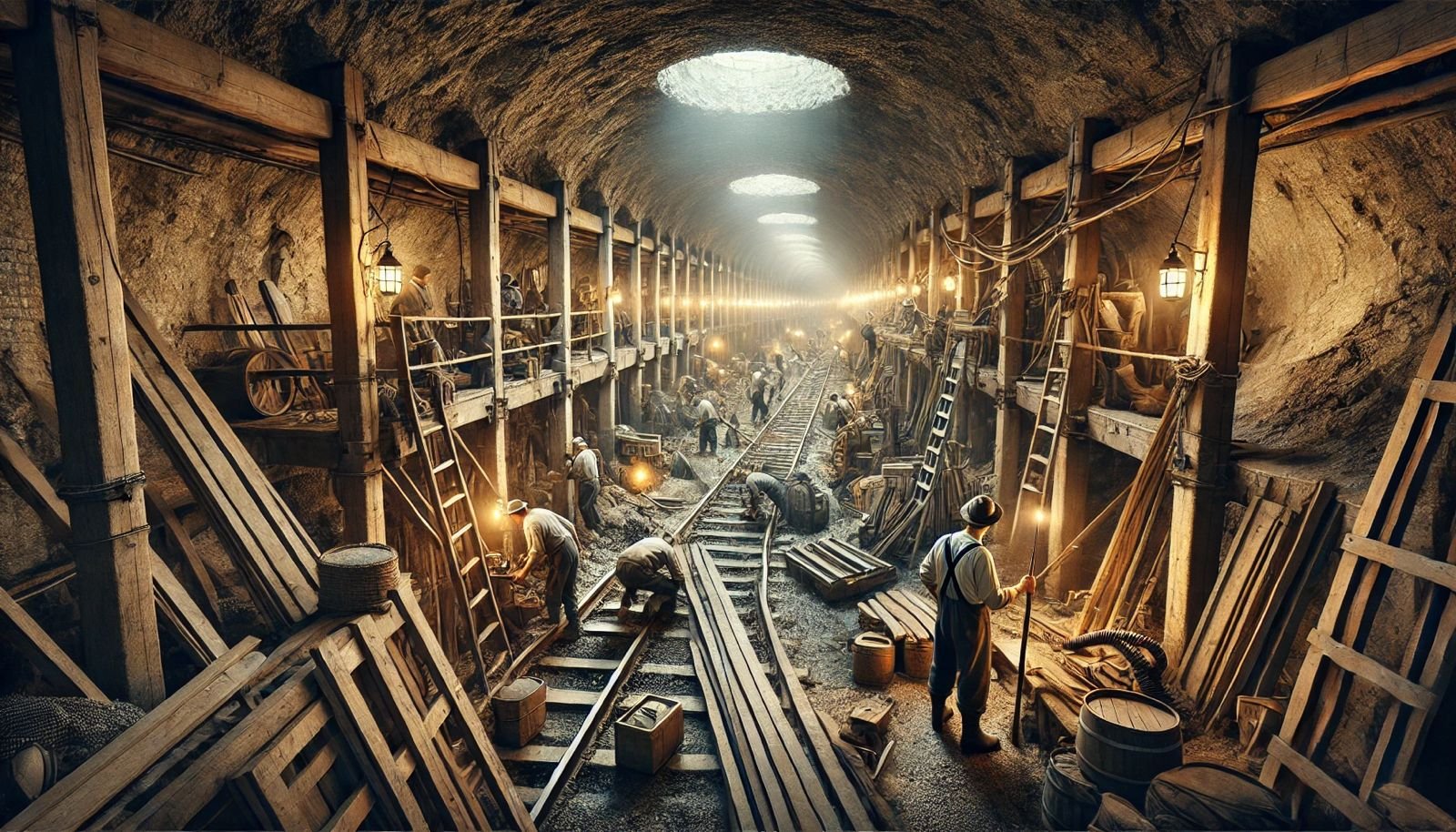
The construction of the New York City subway system represents a significant milestone in urban engineering, beginning operations in 1904. Spearheaded by visionary chief engineer William B. Parsons, the project utilized innovative techniques like cut-and-cover to navigate Manhattan's complex underground. This blog explores the key figures and methods that brought this transformative transit system to life.
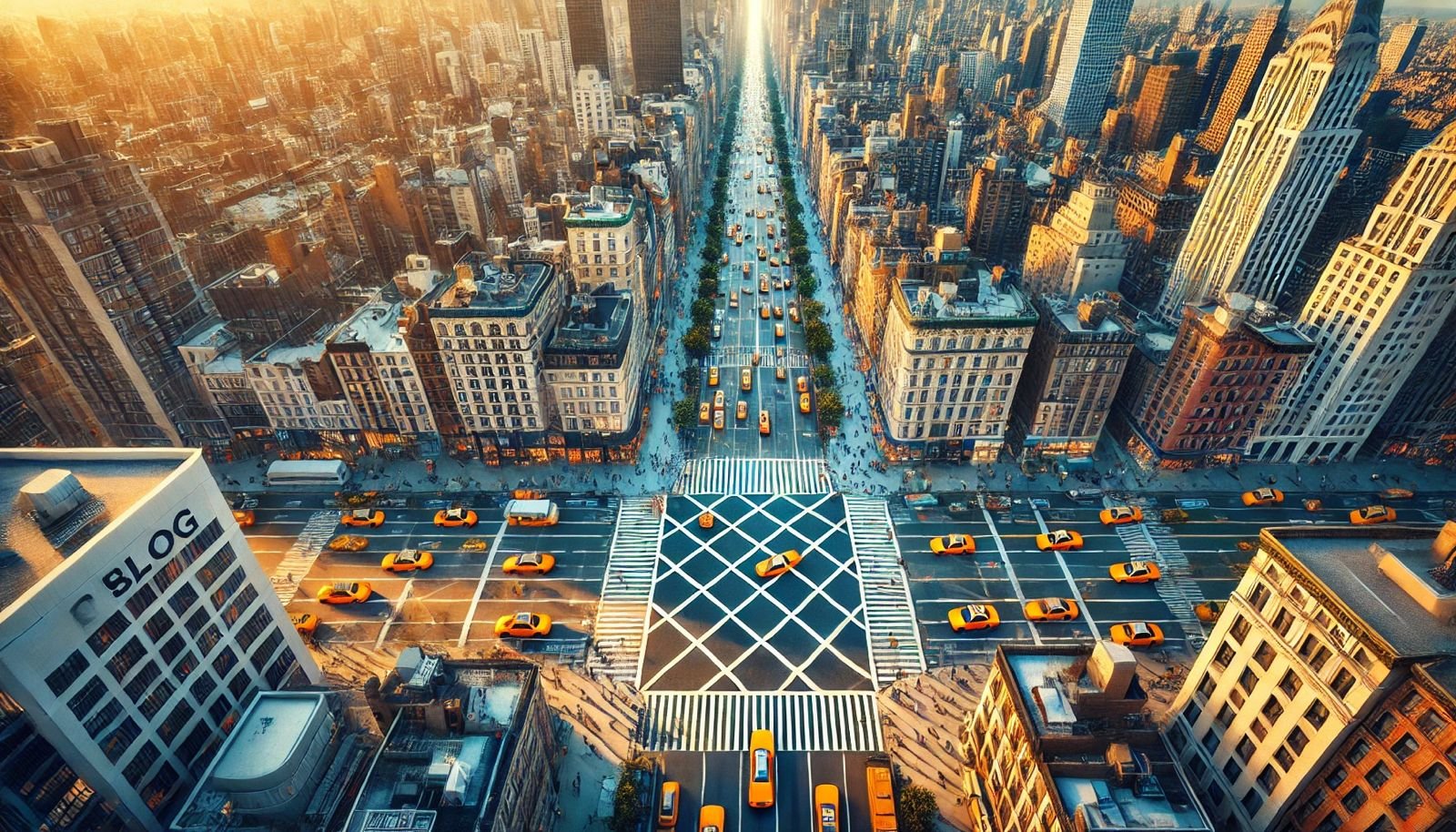
Who designed the streets of Manhattan?
The streets of Manhattan, characterized by their iconic grid pattern, narrate a compelling tale of urban evolution. This blog delves into the history and significance of this design, exploring the visionary minds behind it, such as John Randel Jr., and how their foresight shaped New York City into a global metropolis. Discover the legacy that continues to influence urban planning today.