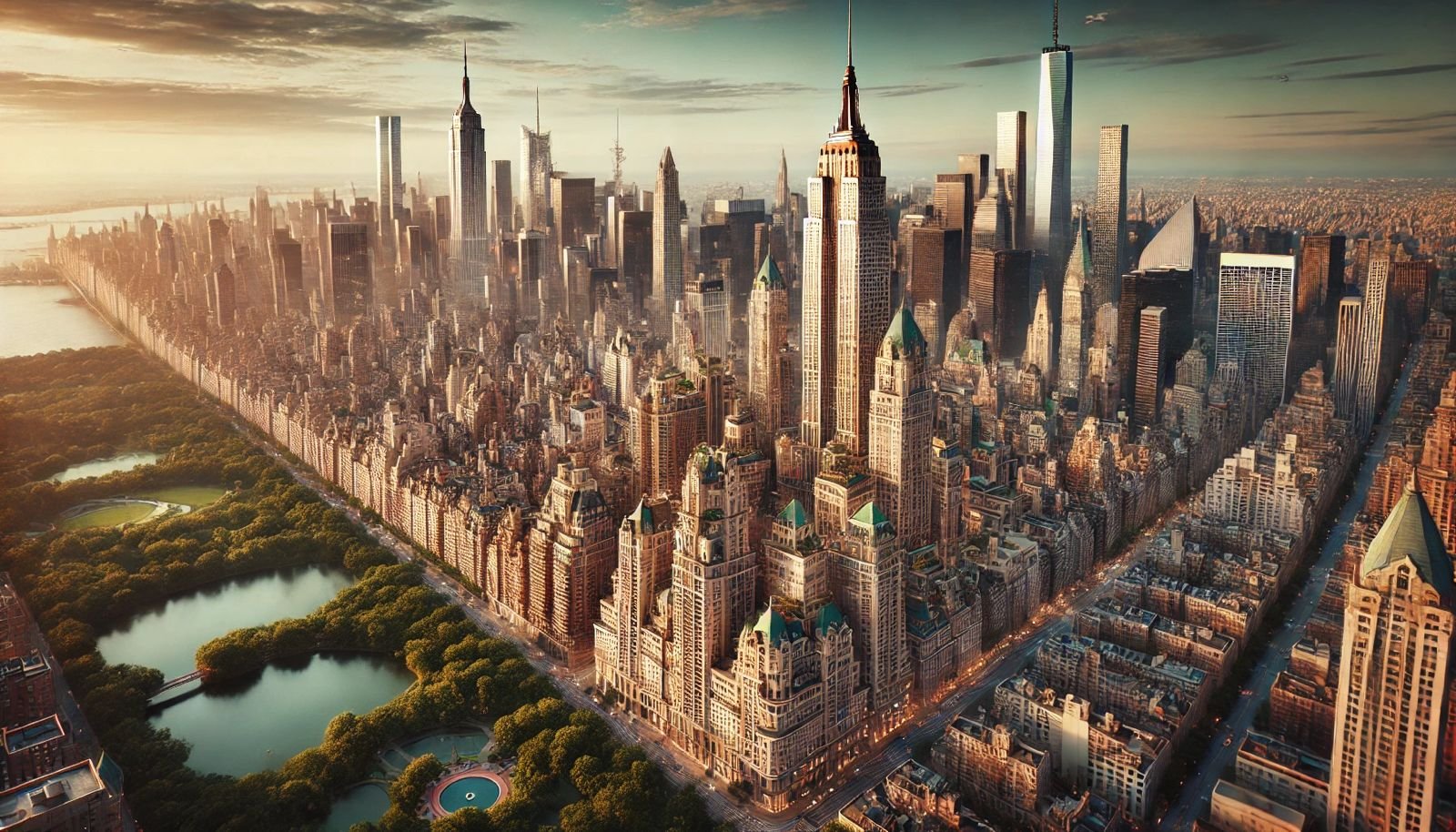
Which NYC borough is the wealthiest?
New York City boasts a diverse landscape of wealth across its five boroughs, with Manhattan reigning as the wealthiest. Home to iconic neighborhoods like NoHo, Hudson Yards, and Tribeca, Manhattan's median home prices often exceed $3 million. Following closely is Brooklyn, known for its rapidly appreciating areas such as Cobble Hill. This blog explores the intricate dynamics of NYC's wealth distribution and highlights the allure of each borough.
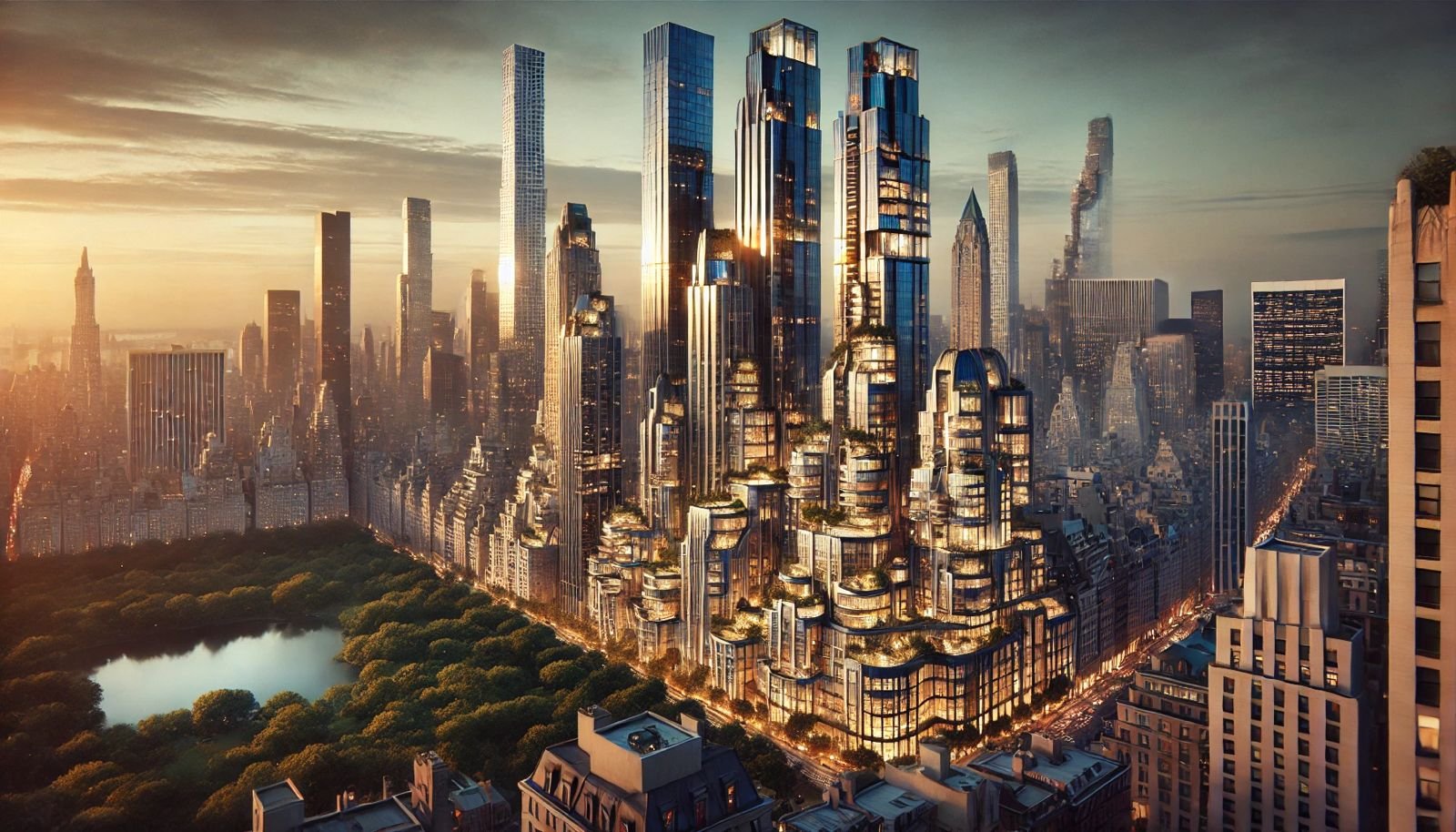
Where in NYC do billionaires live?
New York City is a magnet for billionaires, offering a variety of neighborhoods that cater to their luxurious lifestyles. From the elegant Upper East Side to the trendy vibes of Tribeca and Soho, each area boasts unique charm and high-end amenities. These affluent residents often seek services like Sparkly Maid NYC to maintain their opulent homes, ensuring a pristine environment amidst their busy lives.
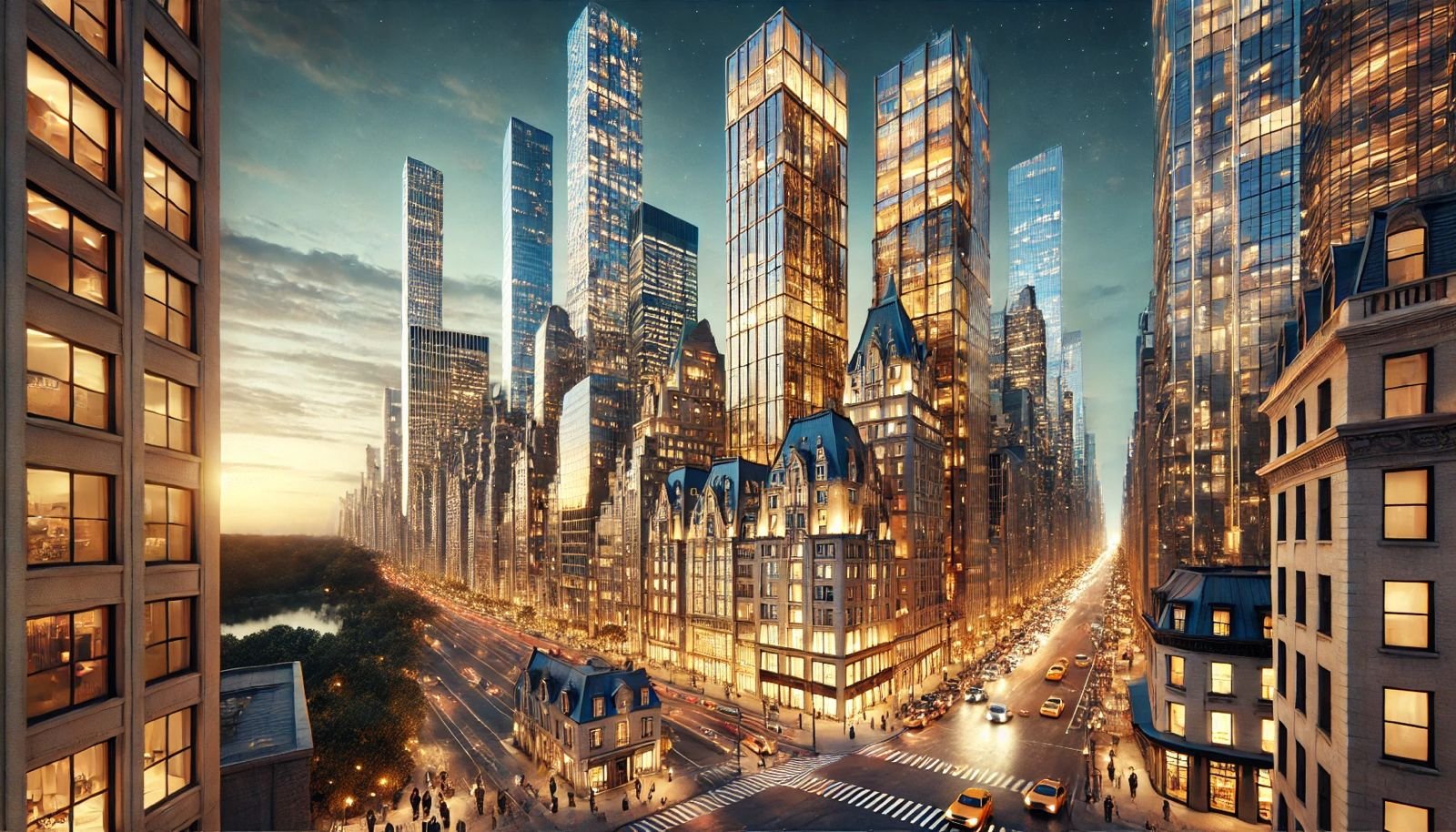
Where is billionaires row in NYC?
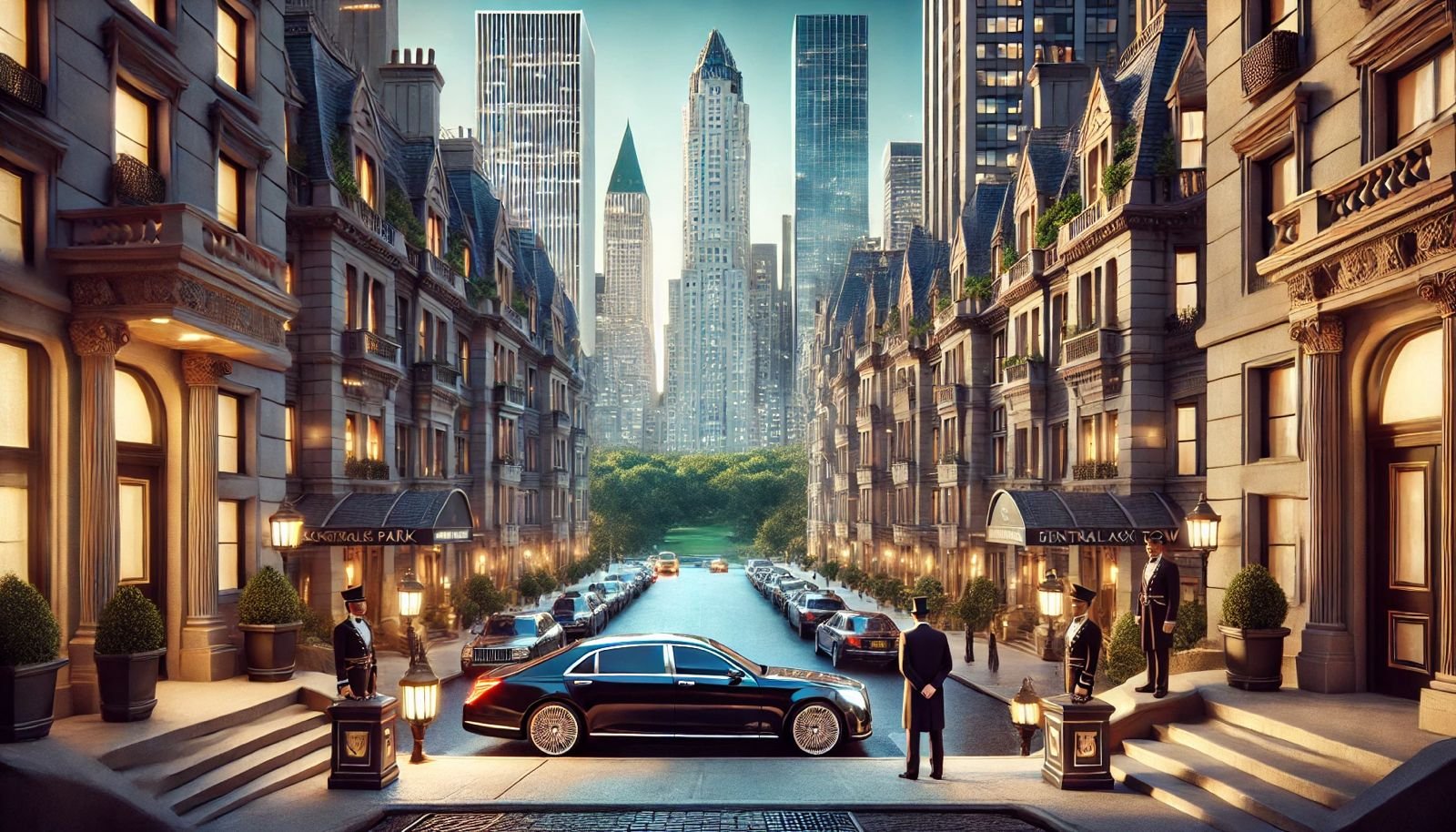
Billionaires' Row in New York City epitomizes luxury living, showcasing an exclusive enclave of ultra-luxurious skyscrapers along 57th Street. This prestigious area attracts the wealthiest individuals, offering breathtaking views, world-class amenities, and unparalleled architectural beauty. From private chefs to concierge services, life here is a blend of opulence and convenience, making it a must-visit destination for anyone interested in the heights of urban luxury.

Who is the youngest billionaire in NYC?
Clemente del Vecchio, at just 19 years old, has emerged as the youngest billionaire in New York City with a staggering fortune of $4.6 billion. His wealth primarily comes from his family's stake in EssilorLuxottica, a leading eyewear company. As young billionaires like Clemente rise, they not only shape their own futures but also influence the economic landscape of NYC.
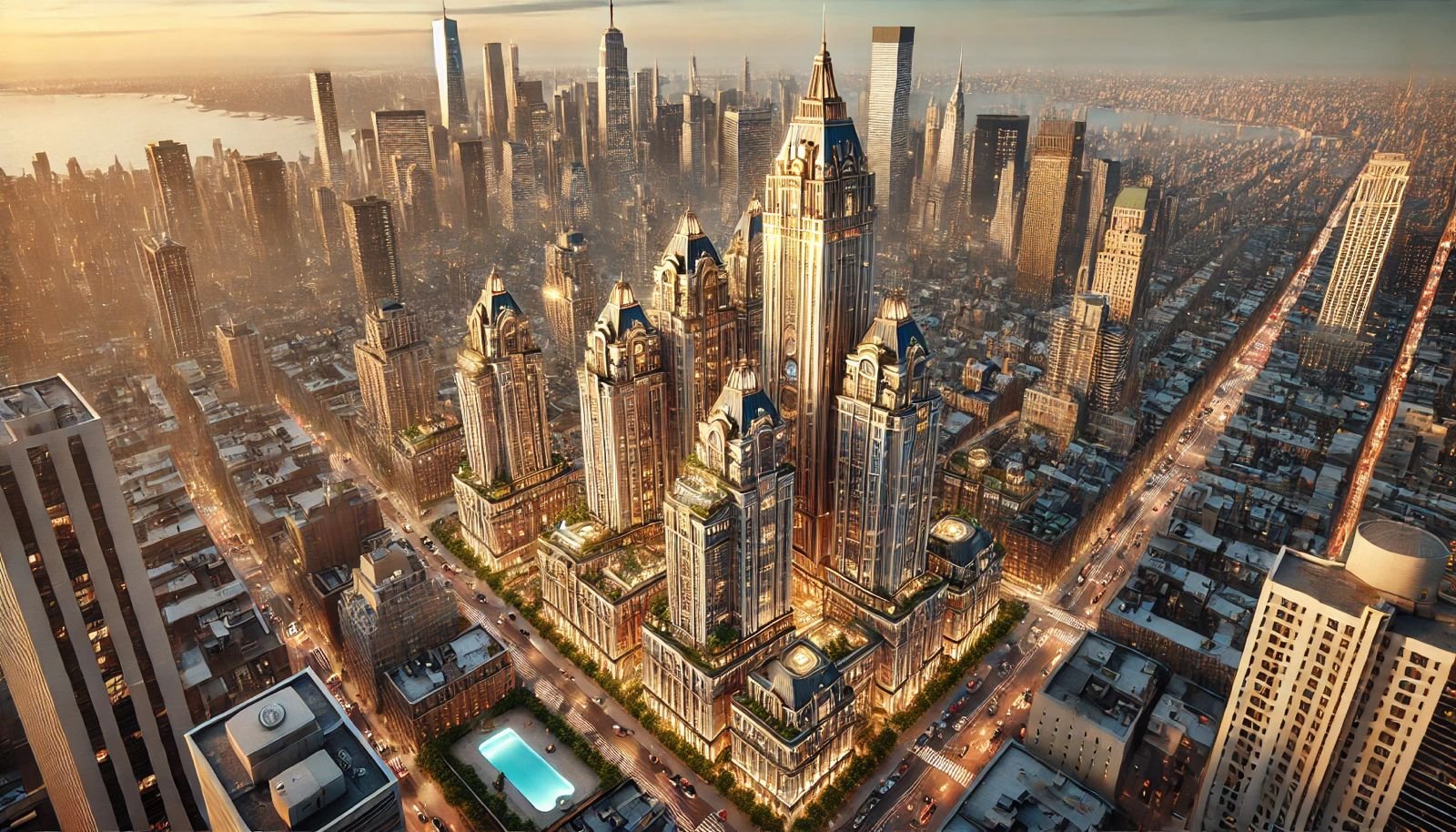
Who owns the most in NYC?
Exploring who owns the most in New York City reveals a complex tapestry of influential individuals and institutions that shape the urban landscape. This blog delves into the major property owners, their holdings, and the impact of their ownership on the city’s real estate market and community dynamics. From educational giants like Columbia University to significant corporate players, the ownership landscape is diverse and impactful.

What is the top 1% salary in NYC?
If you're aiming for a high income, understanding New York City's financial landscape is crucial. To be part of the top 1%, you need to earn over $999,747 annually, a figure significantly higher than in most U.S. regions. This blog delves into the numbers, lifestyle, and implications of achieving such elite status in one of the world's most competitive cities.
Who lives on billionaires row NYC?
The New York City Marathon is more than just a race; it's a vibrant celebration of community, resilience, and human spirit. With over 50,000 participants from around the globe, the marathon showcases the city's energy and camaraderie as runners traverse its iconic five boroughs. This annual event inspires countless individuals to push their limits and achieve their personal bests.

What net worth is considered rich in NYC?
Determining what constitutes "rich" in New York City is complex, with a net worth of approximately $2.9 million being the benchmark as of 2024. This figure reflects the city's high cost of living and diverse economic landscape. While it may seem steep compared to other regions, it underscores the unique challenges and opportunities that define wealth in NYC.
What is the richest area in NYC?
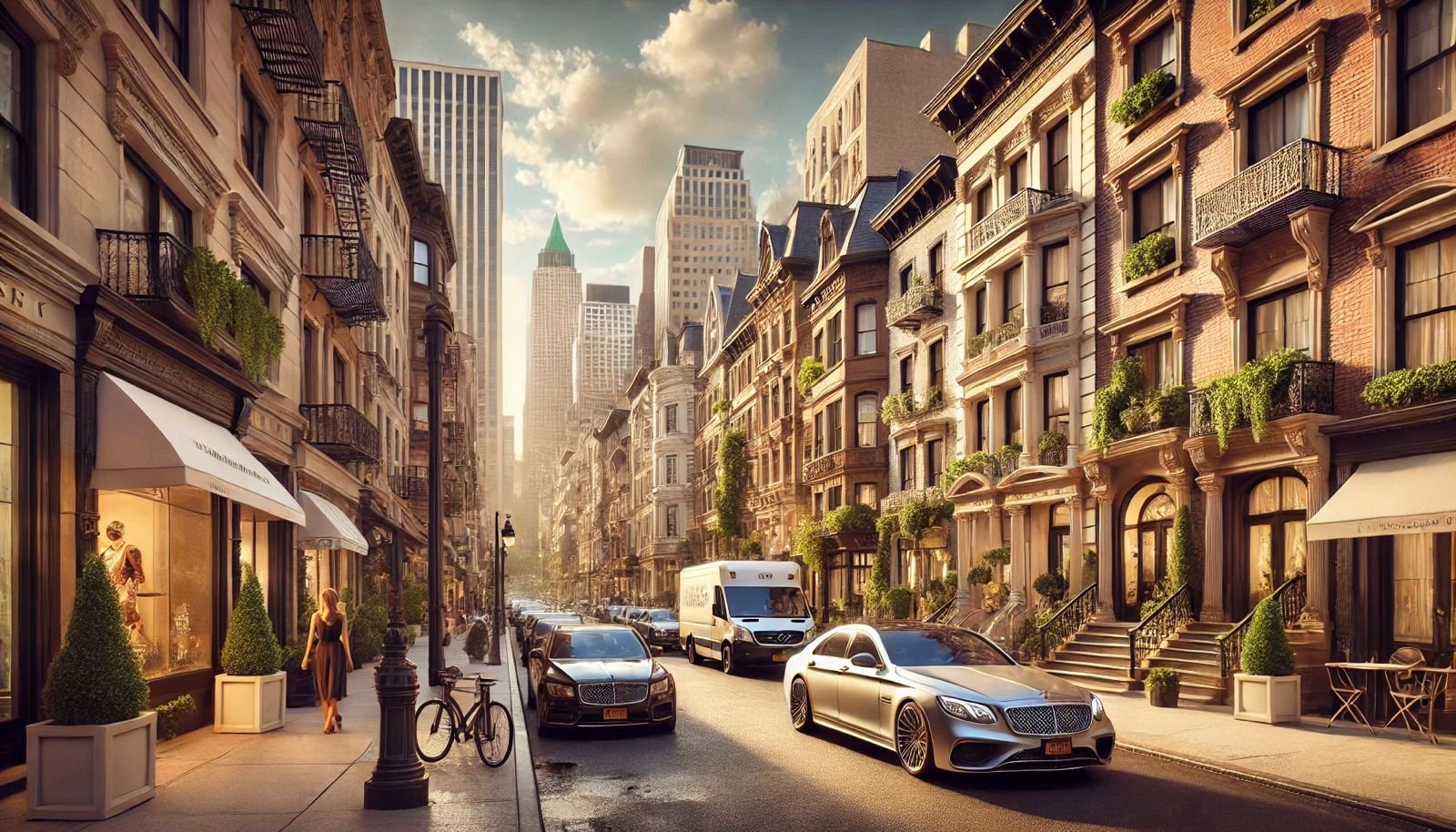
New York City is renowned for its affluent neighborhoods, each vying for the title of the richest area. As of 2024, NoHo stands out with a median home price of approximately $3.27 million and a median household income nearing $206,776. Other luxurious neighborhoods like Hudson Yards, Tribeca, Central Park South, and Nolita also showcase the city's diversity and wealth, attracting high-net-worth individuals seeking upscale living experiences.

Who is the richest person in NYC?
Michael Bloomberg, the former mayor of New York City and founder of Bloomberg LP, is currently the richest person in NYC, with an estimated net worth of around $106 billion as of 2024. His wealth stems from decades of strategic investments and innovative business practices. The city hosts approximately 113 billionaires, reflecting its status as a global financial hub.

How many billionaires are in NYC?
New York City, often dubbed the Big Apple, is home to an impressive 110 billionaires as of 2024, boasting a staggering combined net worth of $694 billion. This concentration of wealth not only solidifies NYC's status as a global financial capital but also raises important questions about income inequality and housing affordability. As the city navigates these challenges, the dynamics of wealth and opportunity continue to evolve.
Why is the NYC subway so famous?
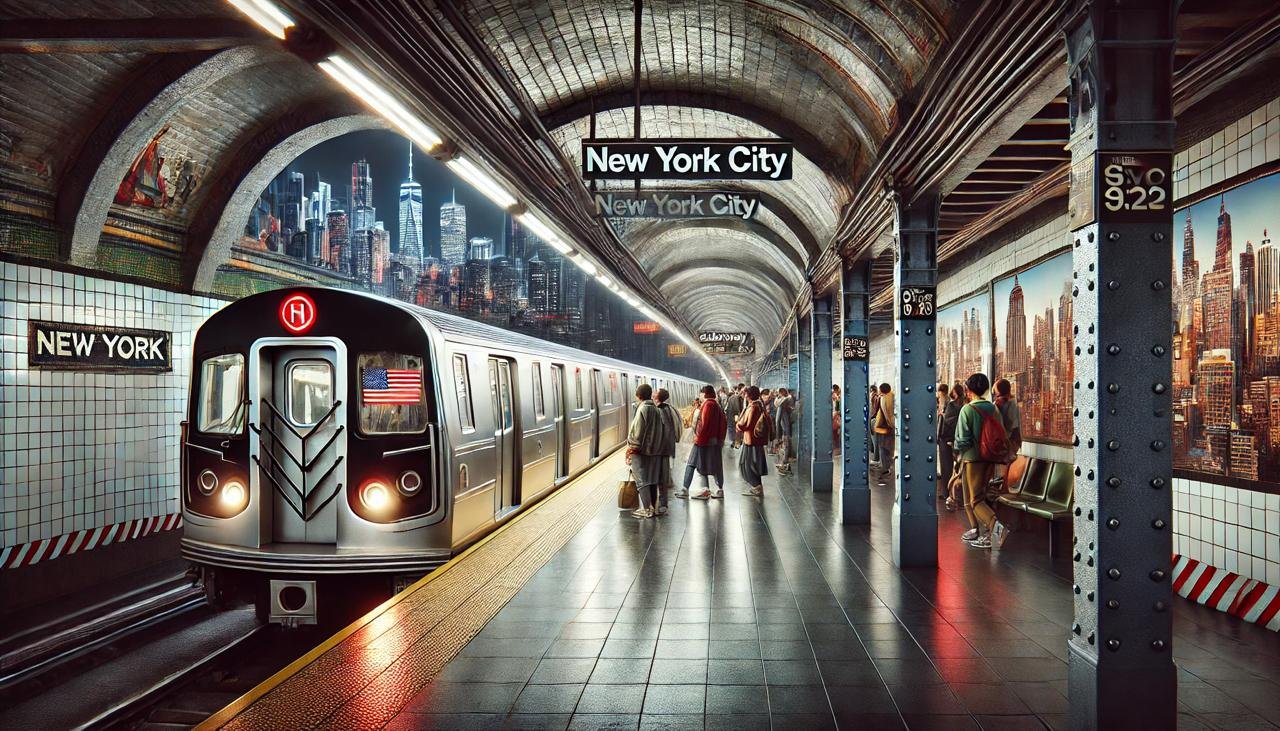
The New York City subway is more than just a transportation system; it symbolizes urban life and culture for millions. Since its opening in 1904, it has played a crucial role in shaping the city’s identity, facilitating economic growth, and providing unique cultural experiences. This blog explores the subway's historical significance, cultural impact, and the diverse experiences it offers to daily riders.
Why is the NYC subway so dirty while Seoul’s and Tokyo’s are so clean?
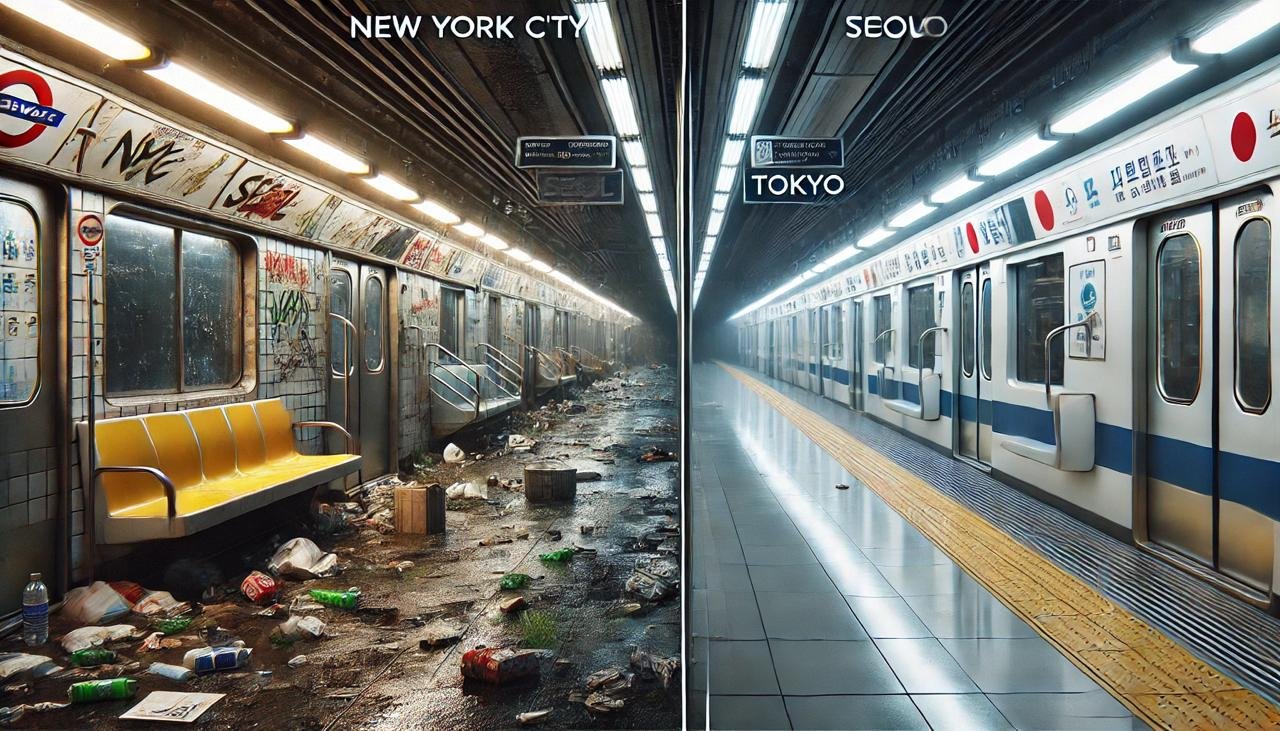
The cleanliness of New York City's subway system reflects broader societal values and government priorities. Despite being one of the largest underground transit networks globally, it struggles with hygiene compared to cleaner systems in Seoul and Tokyo. This blog explores the reasons behind this disparity, including funding issues, maintenance practices, cultural attitudes, and the crucial role of cleaning services like Sparkly Maid NYC in enhancing public spaces.
Is the NYC subway outdated?
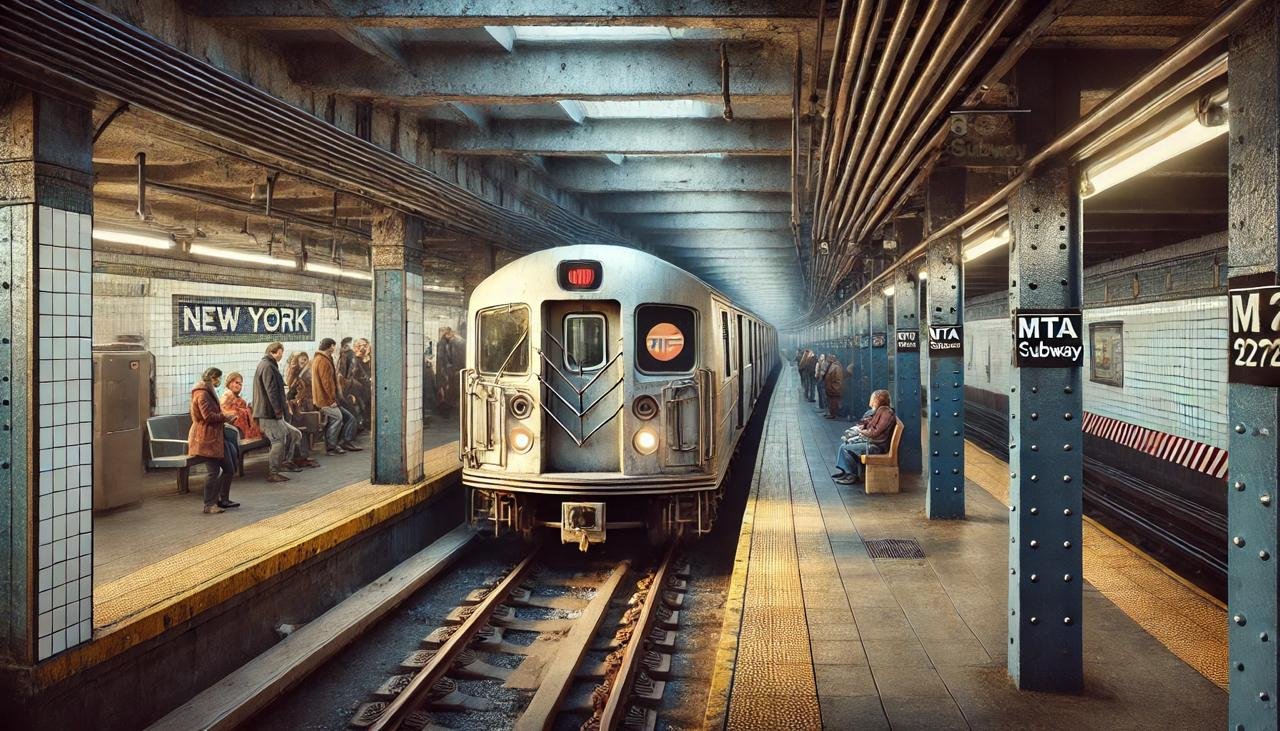
New York City's subway system is a massive and iconic transit network that has served the city for over a century. As the city continues to grow, concerns arise about the subway's relevance and potential upgrades needed to maintain its status as an essential infrastructure. This blog explores the current challenges facing the subway, including aging infrastructure, overcrowding, and cleanliness, while also discussing innovative solutions for a sustainable future.
Is the NYC subway sustainable?
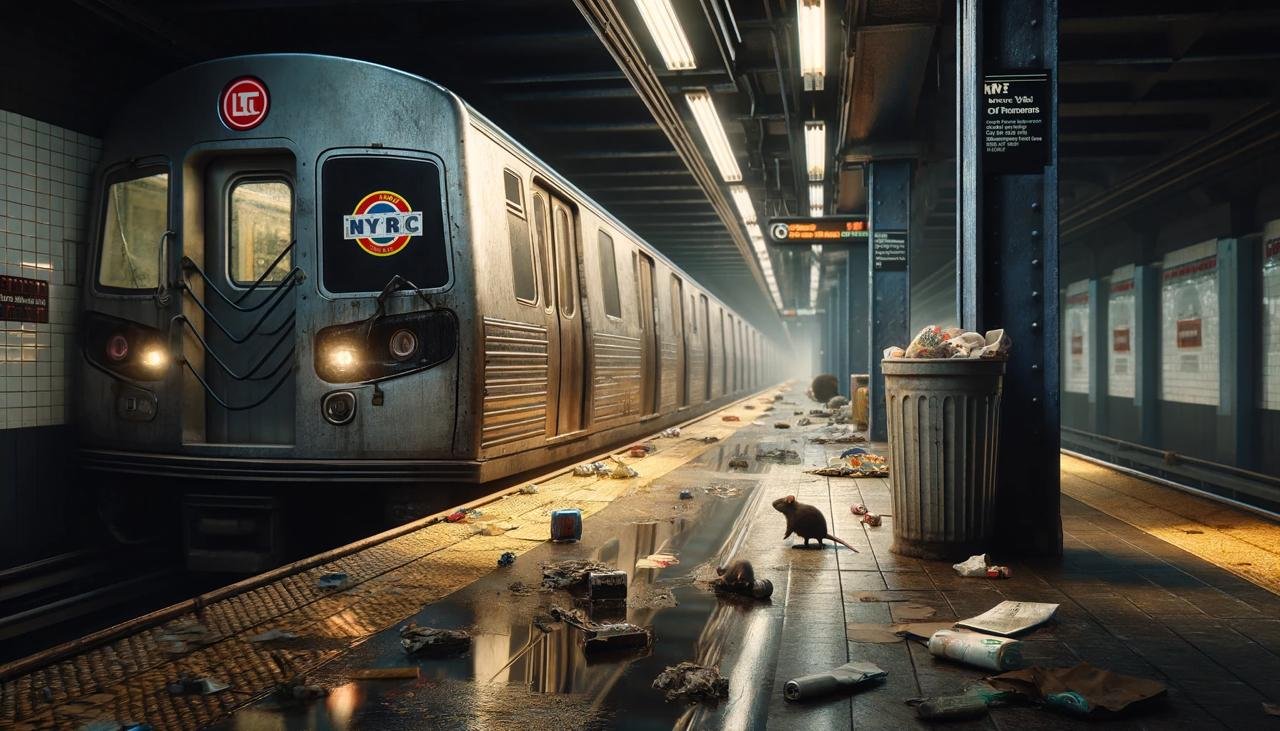
New York City's subway system is a cornerstone of urban public transportation, significantly reducing greenhouse gas emissions compared to car travel. However, it faces sustainability challenges, including maintenance and cleanliness. Innovative projects, such as heat recovery systems, aim to enhance energy efficiency. Partnerships with cleaning services like Sparkly Maid NYC further ensure that subway stations remain hygienic and welcoming for commuters.
What is the oldest subway line in NYC?
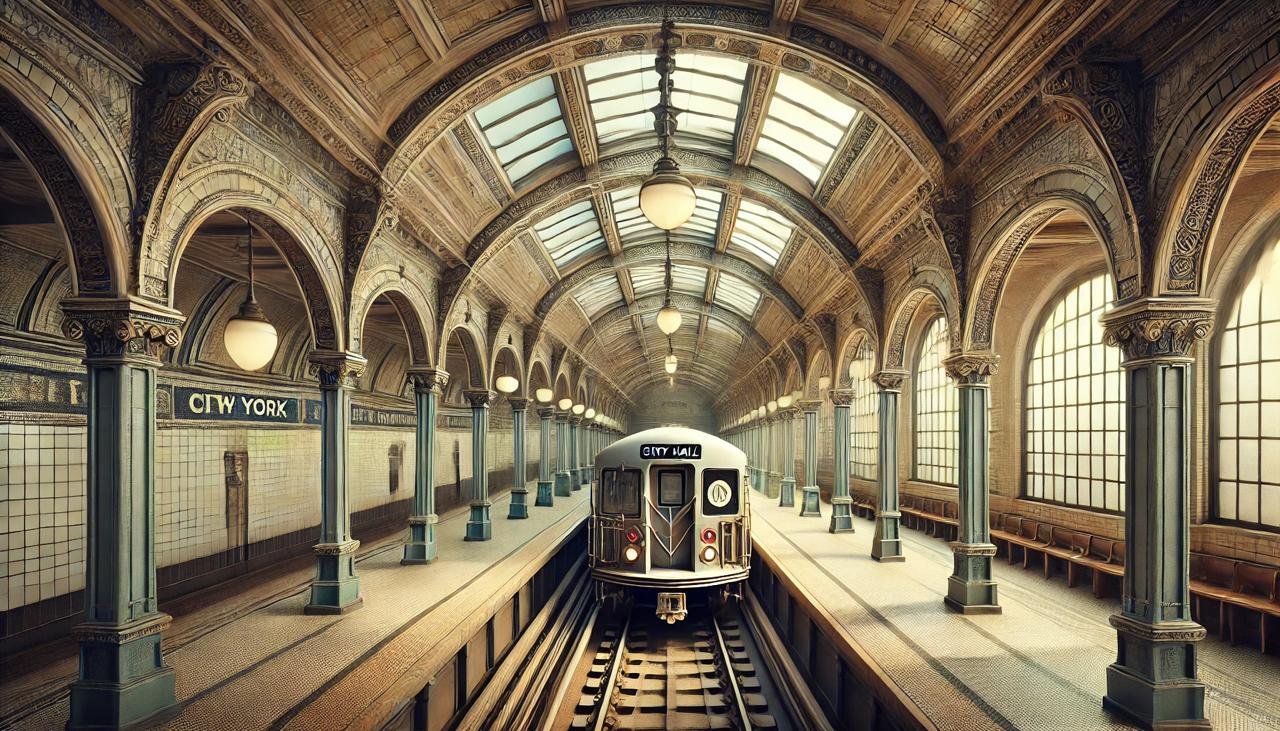
The subway system in New York City, inaugurated in 1904, represents a pivotal evolution in urban transportation. The IRT Lexington Avenue Line, the oldest subway line, not only transformed commuting but also shaped the cultural landscape of the city. As we explore its historical significance and ongoing maintenance efforts, we recognize the importance of keeping this iconic transit system clean and accessible for future generations.
How did they dig the NYC subway?
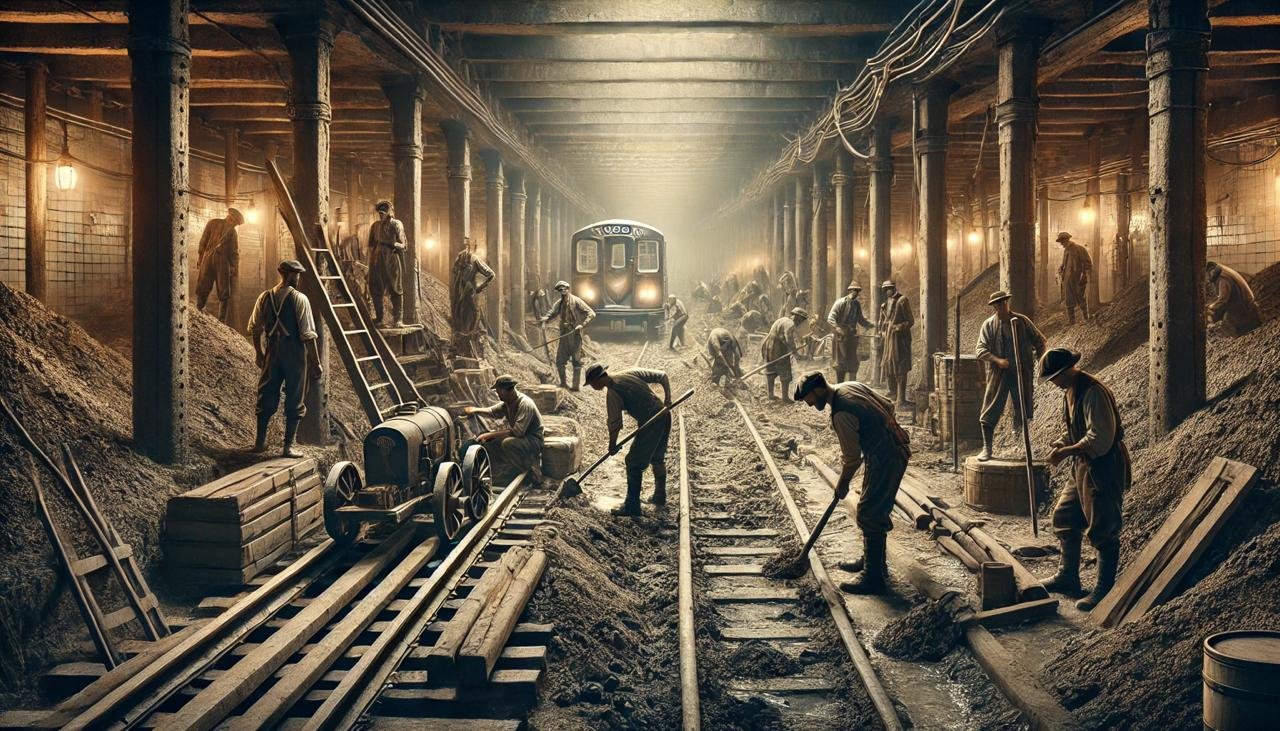
The construction of the New York City subway is a remarkable engineering achievement that transformed urban transportation. When it opened in 1904, it was one of the first underground transit systems in the world, designed to alleviate street-level congestion. This blog explores the innovative techniques and technologies used to dig the extensive network of tunnels beneath New York City, as well as the challenges faced by workers during this monumental task.
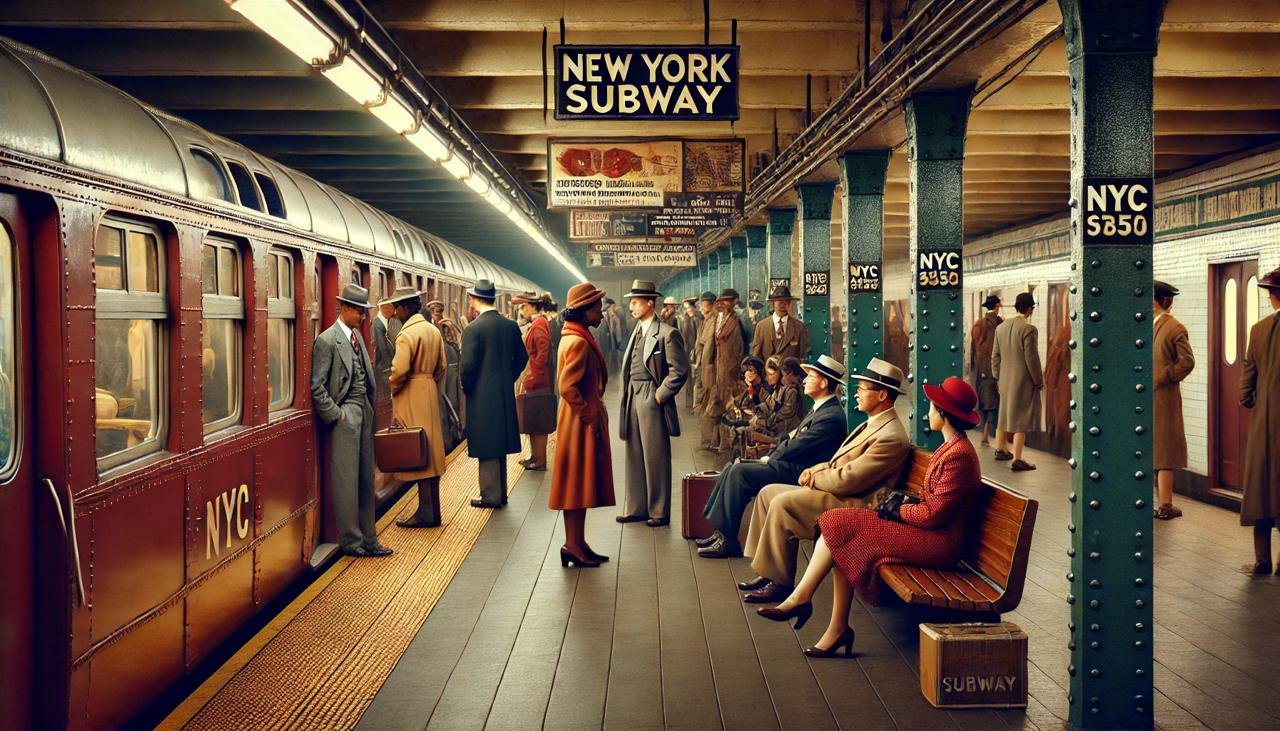
Was the NYC subway ever segregated?
The history of the New York City subway system is often overshadowed by its reputation as a symbol of urban mobility and diversity. However, it has a complex past that includes periods of segregation. This blog explores the subway's history, including the racial discrimination faced in public transit, significant legal battles, and the gradual journey toward integration.
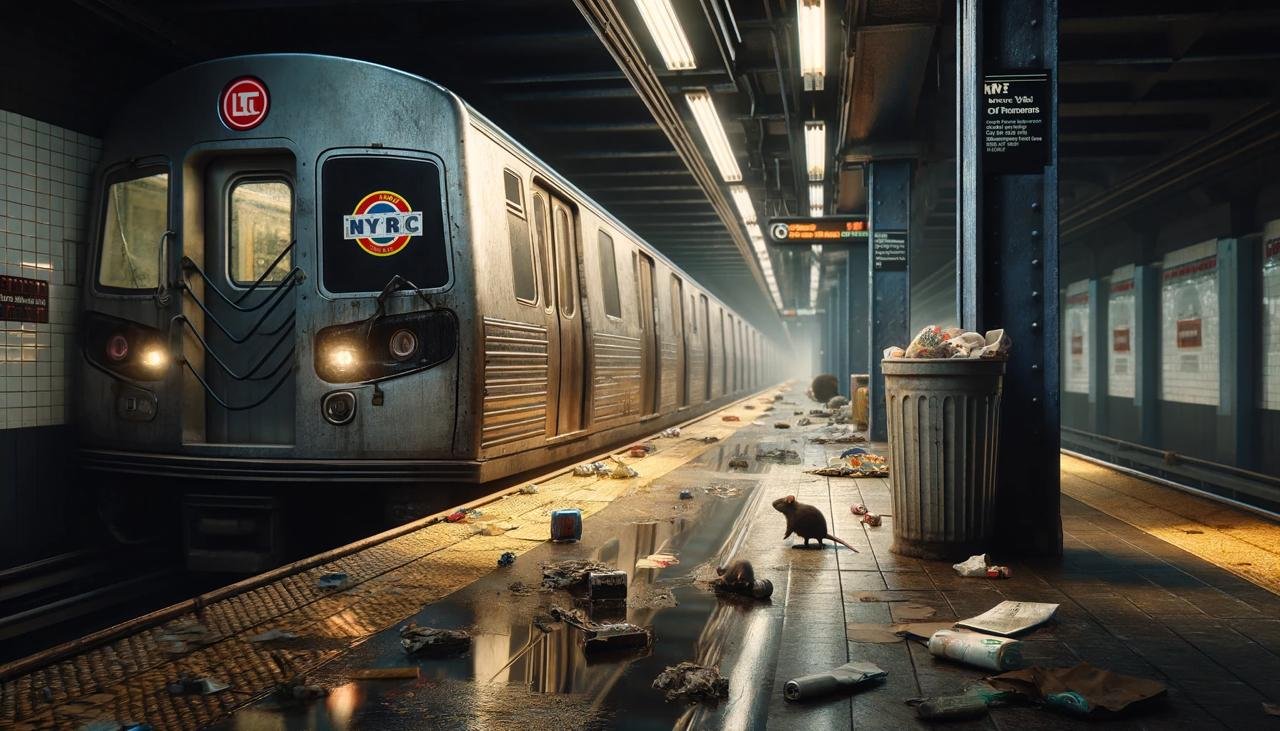
Why is the New York City subway so dirty?
The New York City subway system plays a crucial role in urban transportation, serving millions of commuters daily. However, it often faces criticism for its cleanliness. This blog explores the reasons behind the subway's dirtiness, including high ridership levels, insufficient maintenance practices, and environmental challenges. Understanding these factors can help set realistic expectations for riders navigating this essential transit system.
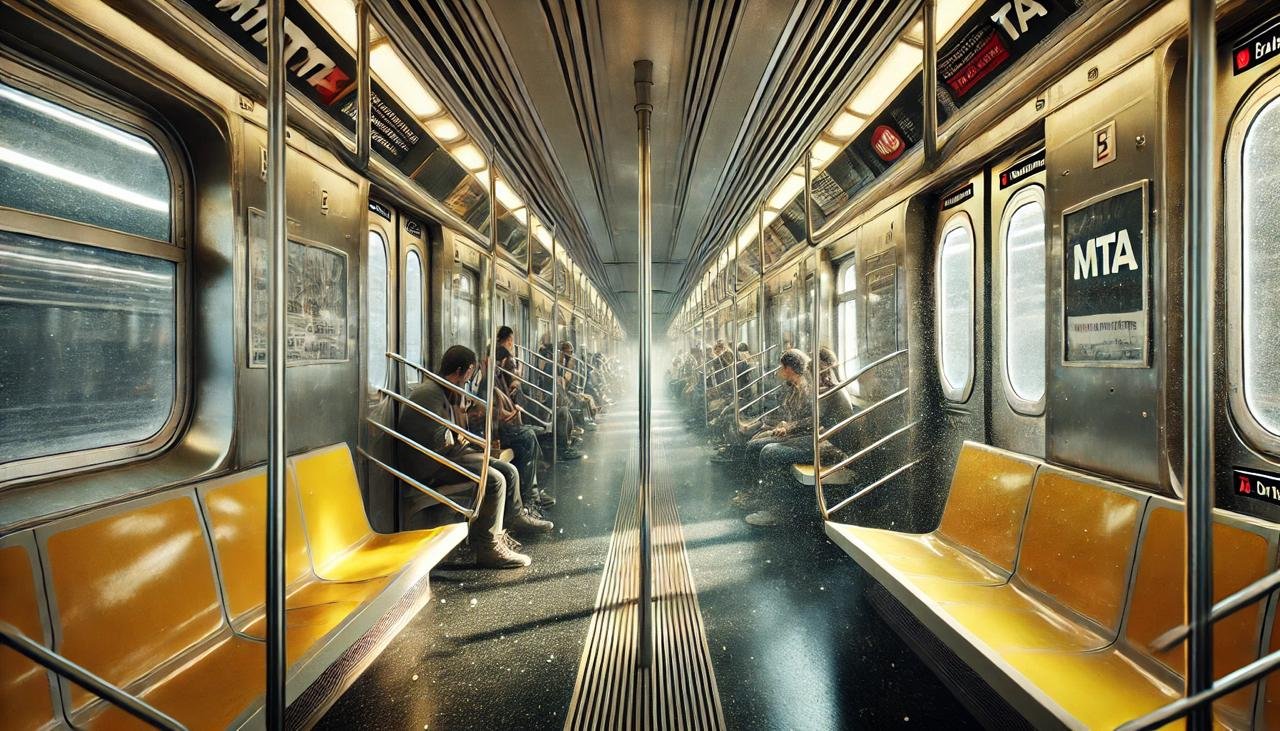
Is the air in the NYC subway dirty?
The air quality in the New York City subway system has become a pressing concern for millions of daily riders. With high levels of particulate matter and various pollution sources, understanding the implications for health and comfort is crucial. This blog explores the factors affecting air cleanliness, including pollution sources, cleaning practices, and the health risks associated with poor air quality in this vital transit system.