How does Zohran Mamdani plan to freeze rents in New York City, and who would this help the most?
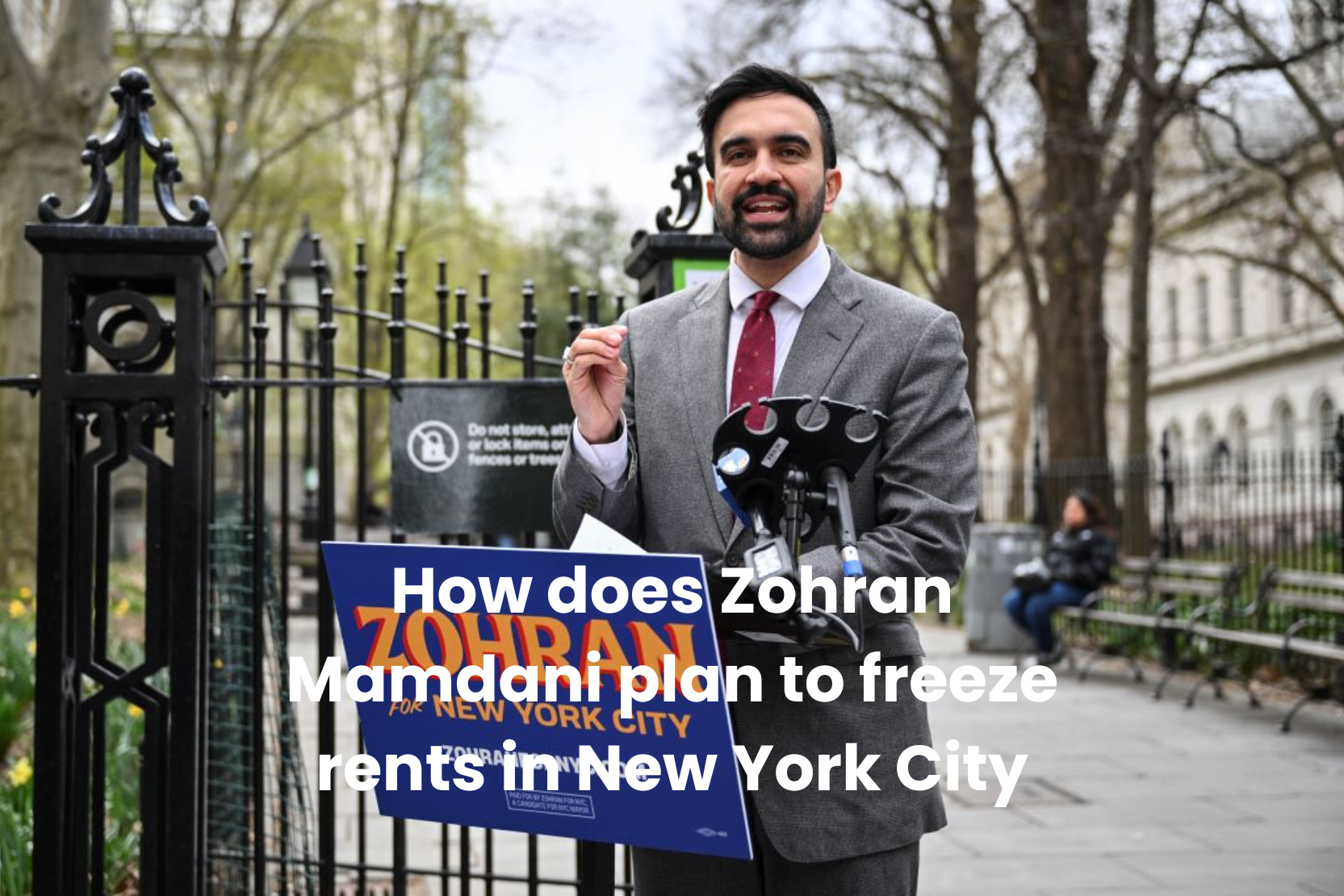
When Zohran Mamdani plans to run New York City, one of his top goals is to freeze rents for the nearly one million rent-stabilized apartments that house about two million people.
This targets people who can least afford it, low-income families, people of color, seniors, and young adults who are already being crushed by rising costs, where the average rent is a whopping $3,700 a month.
The Rent Freeze Mechanism
The mechanism he's proposing is to appoint a new board of members who are committed to annual rent freezes, similar to the short-lived freezes we've seen under previous mayors.
Well-known rent-stabilized units, which make up half of New York City’s rentals and have a median rent of about $1,500, won't see any hikes, but the market rate is surging at 8.4% in Manhattan.
Critics say that the board’s independence might be a problem. We saw this in 2022 when the board overrode Eric Adams' recommendation for a 3% rent increase.
Primary Beneficiaries
Those who are going to get the biggest help from this plan are low-income workers, Black and Latino households, who are disproportionately represented in the rent-stabilized units, and severely rent-burdened families who spend more than half their $70,000 median income on housing.
And they're not in a good place, either, a quarter of non-subsidised households are in the same boat and given the tiny vacancy rates (1.4%) in the city, there isn't going to be any easy solution for them.
The 3 million market-rate renters don't get any direct help from this plan.
Potential Drawbacks Explored
Landlords are saying that the freeze will cripple the maintenance of the aging buildings, sending them to ruin, and economists are saying that depressed rents will mean less construction and more housing shortages, even when Mamdani promises to build 200,000 new affordable units and double the funding for NYCHA.
Coming from past data, rent-stabilized units saw an increase of just 9% over the last three years, which is small in comparison to the market’s rises.
Crafting a Sustainable Path Forward
In terms of repairing and preserving the two million homes in NYC, landlords will be motivated to put up the money for tax credits if they freeze their rent.
The strategy of rapidly boosting supply is also on the agenda, using the momentum of campaign promises to unlock 100,000 modular units each year, focusing on areas where public transportation is readily available to slash commutes for service workers.
Half of the costs will be covered by public-private bonds, which means that the developers will be locked into 50-year affordability covenants to ensure that the rent won’t be increased for at least half a century, and won't empty out the buildings in the meantime.
Tenant voices are given weight with the creation of block-level councils that have the power to prevent excessive rent hikes, and because they tend to cluster in the buildings that are going to be stabilized, also stop the problems that arise from policies that don’t suit local needs.
Landlords join in via profit-sharing in brand-new construction, which means they now have a stake in keeping these buildings in a state of repair, just like tenants do.
Economists say that supply is what we need to focus on, and that has been proved correct here by putting Mamdani’s ideas for reorganizing land use into play in the same program, and with developer “fast-tracks” for constructing massive towers that contain 80% affordable housing.
Monitor via a public dashboard tracking vacancies and repair rates, adjusting freezes dynamically. If maintenance lags, phase in 1% hikes. This counters "snake-oil" critiques by proving freezes as a bridge, not endpoint
Homes stabilizing lives is what it’s all about. Just picture the Bronx families keeping their homes, Queens teachers affording childcare, and Brooklyn artists lighting up the cultural scene we’re aiming for.
It’s the same stability we see every day working with residents across the city through Sparkly Maid NYC.
Rent freezes can be useful in the short term, but when layered with new builds and accountability, they help create a steady, more equitable path toward a sustainable future.
Read more: